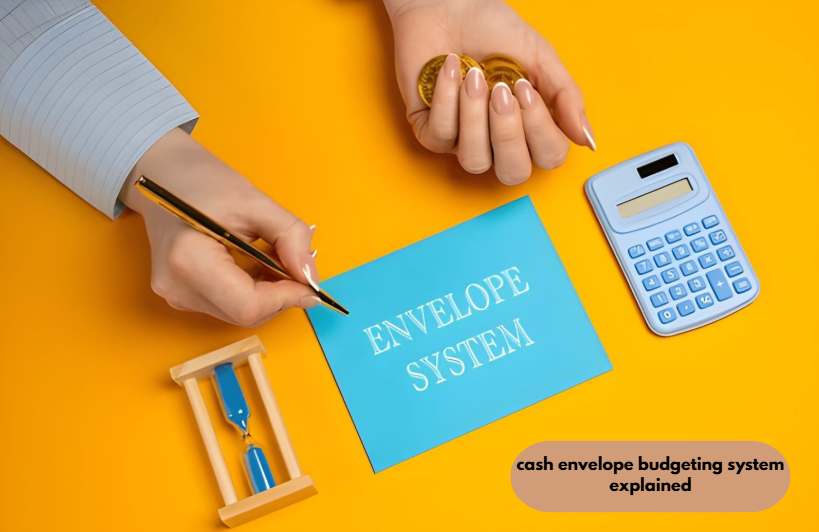
If you’ve ever swiped a card for “just one more thing” and then wondered where your paycheck went, you’re not alone. The cash envelope budgeting system is one of the oldest, simplest fixes for that exact problem, and it’s having a real comeback right now as people look for ways to actually feel their spending instead of just tracking it on an app. This guide walks through what it is, how to set it up, and whether it’s the right fit for your situation.
Cash Envelope Budgeting System Explained: The Basics
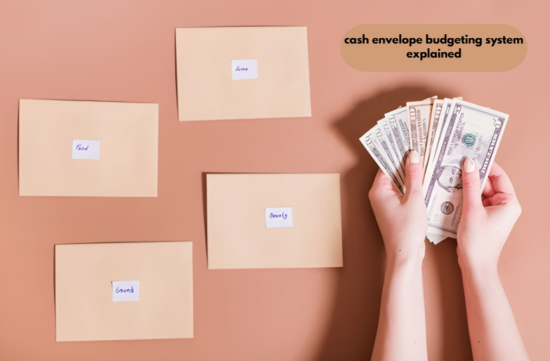
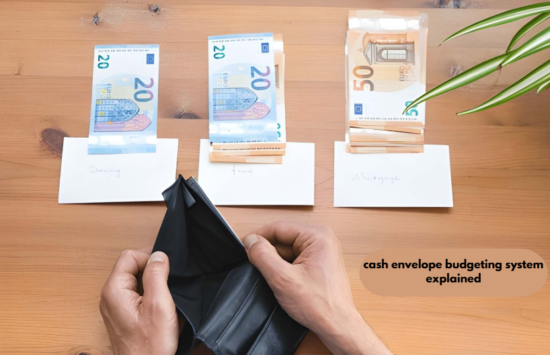
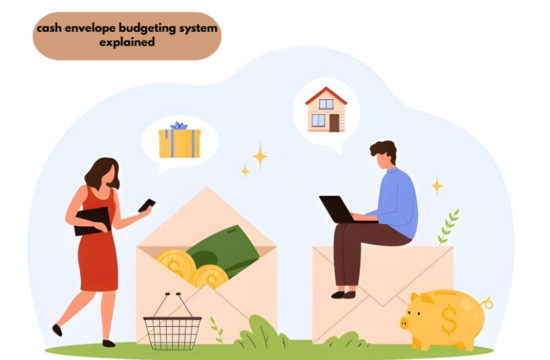
The cash envelope budgeting system is a money management method where you withdraw cash for each spending category, such as groceries or gas, and place it into a labeled envelope; spending in that category ceases until the following budgetary month once an envelope is empty.
The idea isn’t new, and families have used some version of it for generations, long before budgeting apps existed. Dave Ramsey helped popularize the modern version in the 1990s through his financial books and courses, but the core concept predates any single author or brand.
What makes it different from a spreadsheet is that it removes the guesswork. You either have the cash in hand or you don’t.
How Does the Cash Envelope System Work?
How do you set up a cash envelope budget?
You set up a cash envelope budget by listing your variable spending categories, withdrawing your total budgeted cash for the month, and dividing it into labeled envelopes for each category.
Start by looking at your last two or three months of spending to figure out what you actually spend, not what you think you spend.
- Pull your total budgeted cash on payday or split it across paychecks if you’re paid biweekly
- Label an envelope for each spending category before you withdraw anything
- Drop the allotted cash into each labeled envelope based on your spending history
- Store the rest of your money, like rent or savings, in your regular bank account since those are usually fixed and don’t need cash management
The system works best when you commit to checking envelope balances before you shop, not after. Some people also pair this habit with outside accountability, whether that’s a budgeting partner, a spreadsheet check-in, or a community focused on money, like money betterthisworld, just to have a second layer of structure while the habit sets in.
What categories should you use for envelope budgeting?
The most common envelope budgeting categories are groceries, dining out, gas, entertainment, and personal spending money, since these are the categories where overspending tends to happen.
Some people also add envelopes for clothing, gifts, and household supplies. There’s no fixed rulebook here. A single person renting an apartment might need four or five envelopes, while a family of five might split things into eight or nine categories. The goal is coverage without so many envelopes that the system becomes a chore to manage.
Why Does Cash Envelope Budgeting Work So Well?
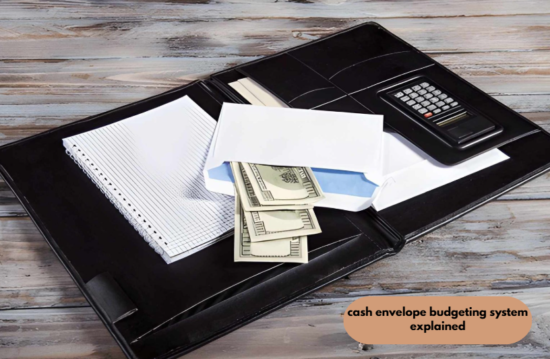
There’s actual behavioral research behind why cash feels different from a card. A well-known study from MIT researchers Drazen Prelec and Duncan Simester found that people were willing to pay significantly more for the same item when paying by credit card compared to cash, a phenomenon researchers call the “payment pain” effect.
Cash creates a physical, immediate sense of loss that a card swipe or tap simply doesn’t trigger in the brain.
This is exactly why the envelope system tends to outperform digital budgeting apps for people who struggle with impulse spending. If you’ve been googling how to stop impulse buying and save money, this is often the missing piece. Counting out actual bills before you buy something creates a kind of friction that apps and spreadsheets just can’t fake.
For example, switching to cash for grocery runs often prevents those quick $20 impulse additions at checkout. When you physically hand over three $20 bills and see only a $5 bill left in your hand, you naturally start prioritizing needs over wants.
Cash Envelope Budgeting vs. Digital Budgeting Apps
| Factor | Cash Envelope System | Digital Budgeting Apps |
| Spending awareness | High, due to physical cash | Moderate, depends on checking habits |
| Impulse control | Strong, hard limit once cash is gone | Weaker, cards allow overspending |
| Convenience | Lower, requires cash withdrawals | Higher, works anywhere |
| Tracking automation | Manual | Automatic categorization |
| Best for | Impulse spenders, variable categories | People who prefer digital tracking |
Is the Cash Envelope System Good for Beginners on a Tight Budget?
How can you save money fast on a low income using envelopes?
Give every dollar a job in an envelope before the month even starts. That’s really the fastest way to save on a tight income, since it catches the small leaks before they add up.
When money is tight, every category has less room for error, and that’s actually where envelope budgeting shines. Because you can physically see how much is left, it becomes much harder to accidentally overspend on things like takeout or convenience store runs. People searching for how to save money fast on a low income often find that the envelope method forces smaller, more intentional purchases simply because running out of cash mid-month has an immediate, visible consequence.
A few practical starting points for low-income budgets include the following.
- Begin with just two or three envelopes for the categories where you overspend most, rather than trying to convert your entire budget at once
- Use small week-by-week withdrawals instead of one large monthly withdrawal if a big lump of cash feels risky to manage
- Keep a small buffer envelope for unexpected costs so one surprise expense doesn’t derail the whole system
What Are the Pros and Cons of the Cash Envelope System?
The benefits tend to show up fast for people who’ve struggled with card-based overspending, and hearing how other people stick with the habit long-term, whether through a podcast, a forum, or something like the btwradiovent event by betterthisworld, can help reinforce it during the first few rocky weeks.
- You get a real-time visual of what’s left to spend, which naturally slows down unnecessary purchases
- It builds stronger spending awareness over time since you’re handling actual bills instead of tapping a card
- It works well for irregular income because you can adjust envelope amounts week to week
The drawbacks are worth knowing before you commit.
- Carrying cash just isn’t as safe or convenient as a card, especially if you’re withdrawing larger amounts
- You lose the automatic spending history that an app gives you, so you’ll probably want to jot things down separately
- Online purchases, subscriptions, and bills that require electronic payment get trickier to manage this way
Frequently Asked Questions
What is the 50/30/20 rule vs. cash envelope budgeting?
The 50/30/20 rule splits income into broad percentage categories for needs, wants, and savings, while cash envelope budgeting focuses on physically limiting spending within specific categories, and many people actually combine both methods together.
Can you use cash envelope budgeting with a debit card?
Yes, some people use a digital version with separate prepaid cards or banking apps that mimic envelopes, though the psychological effect tends to be weaker than using physical cash.
How many envelopes should a beginner start with?
Most beginners do best starting with three to five envelopes covering their highest-risk spending categories, then expanding once the habit feels manageable.
Does cash envelope budgeting actually help you save more money?
Generally, yes. Research comparing cash and card spending backs this up, and physical cash just makes you more aware of what you’re actually spending. That said, it really comes down to how consistent you are and whether you set realistic amounts for each envelope in the first place.
Getting Started This Week
The cash envelope budgeting system isn’t magic, and it’s not for everyone. If you rely heavily on online shopping or automatic bill pay, you’ll need a hybrid approach rather than going all-cash. But if you’ve tried apps and spreadsheets and still find yourself overspending anyway, there’s a good chance the physical, tangible nature of this system will succeed where digital tracking hasn’t.
The best way to start is small. Pick two categories where you consistently overspend, pull that cash out this week, and see how it feels to physically run out before payday. With the cash envelope budgeting system explained from setup to daily use, give it one full pay cycle before deciding whether it’s the right fit, since most people need a few weeks to adjust to handling cash again.