
Impulse buying is the act of purchasing something without planning it in advance, usually driven by emotion, boredom, or a marketing trigger rather than actual need. Learning how to stop impulse buying and save money starts with recognizing these triggers and replacing them with small, repeatable habits that interrupt the urge to spend.
The Psychology Behind Unplanned Spending
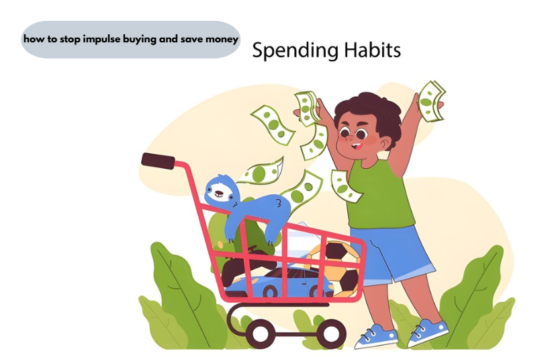
Impulse buying almost never comes from a logical place. It’s your emotions doing the shopping, not your brain.
Stress, boredom, or even a good mood can push you toward spending just to keep that feeling going. Retailers are aware of this, which is why countdown timers and flash sales are in place; their purpose is to make you stop thinking. There’s a real effect called ego depletion, where decisions all day drain your willpower, leaving you most vulnerable to those late-night shopping urges.
Is impulse buying a sign of a bigger money problem?
Not always, but frequent impulse buying often points to a gap in the budget itself.
Most budgets don’t leave room for discretionary spending at all, so the urge to buy something unplanned feels like it’s coming out of nowhere. Building in a small “fun money” category tends to reduce impulse purchases because the desire to spend is already accounted for instead of being suppressed.
15 Habits to Stop Impulse Buying and Save Money

These habits work because they add friction between the urge and the action, which is exactly what impulse spending needs to lose its power.
Phase 1: Friction and Barriers
1. Wait 24 hours before buying
There are many things that felt urgent around 11 p.m., but most impulse cravings fade after a day. don’t feel necessary by the next afternoon.
2. Remove saved cards from shopping apps
Re-entering card details manually adds just enough friction to interrupt a late-night purchase, and that extra thirty seconds is often enough time for the urge to pass.
3. Use cash for discretionary spending
Handing over physical money registers differently in the brain than tapping a card, which is why cash-based budgeting tends to reduce discretionary overspending.
4. Keep savings in a separate bank account
Using a different bank than your checking account makes the money harder to access on impulse, since the extra step of transferring funds creates a natural pause.
5. Set a dollar threshold before buying
Requiring a day of thought for anything over fifty dollars keeps bigger purchases from happening on a whim, especially for electronics and clothing.
Phase 2: Digital Triggers and Environments
6. Unsubscribe from retail marketing emails
Sale alerts and countdown offers are designed to create urgency, and simply not seeing them removes a huge share of the daily temptation most people don’t realize is working on them.
7. Unfollow shopping influencers and haul content
Cutting this out reduces the constant visual cues that create desire for things you didn’t know you wanted, especially in clothing and beauty categories.
8. Delete or hide shopping apps from your home screen
Having to search for a retailer’s site manually instead of tapping an app icon adds enough delay to break the automatic habit loop.
9. Avoid browsing shopping apps when bored
Boredom scrolling is one of the most common, and least necessary, paths to an unplanned purchase, so removing the habit removes the trigger
10. Keep a running wishlist instead of buying immediately
A wishlist turns an impulse purchase into a planned one, and most items get quietly forgotten within a few weeks once revisited later.
Real Experience:
When I tracked my late-night purchases for 30 days, I realized 80% of my unnecessary spending happened between 10 PM and midnight while scrolling on my phone. Setting a digital curfew and removing saved card details cut my impulse purchases by half in the first month.
- Keep a running wishlist instead of buying immediately:
A wishlist turns an impulse purchase into a planned one, and most items get quietly forgotten within a few weeks once revisited later.
Phase 3: Mindset and Budget Mechanics
11. Build a “fun money” category into your budget
Giving discretionary spending a designated home makes unplanned purchases outside that category much easier to notice and resist.
12. Use zero-based budgeting
Giving every dollar a job makes it obvious the moment spending drifts from the plan, which pairs well with auditing subscriptions to support how to reduce monthly expenses without cutting anything you actually use.
13. Automate your savings transfer on payday
Moving money into savings the day you get paid means it’s gone before it becomes spare cash, removing the decision entirely.
14. Track every purchase for one month
This is uncomfortable at first, but it’s one of the most effective ways to spot spending patterns most people don’t realize they have.
15. Replace the reward of shopping with something free
Swapping the dopamine hit of a purchase for a walk or a call to a friend retrains the brain to find comfort somewhere other than checkout.
How Impulse Buying Affects Your Monthly Budget
Recent surveys show the average American spends roughly $150 to $280 per month on impulse buys ($1,800 to $3,300+ annually).
| Spending Category | Typically Planned | Typically Impulsive |
| Groceries | High | Low to Moderate |
| Clothing | Moderate | High |
| Food delivery and takeout | Low | High |
| Electronics and gadgets | Moderate | High |
| Subscriptions and apps | Low | Very High |
This is where learning how to reduce monthly expenses overlaps directly with fixing impulse spending, since subscriptions and food delivery are two of the easiest categories to trim without changing your lifestyle.
How to Stop Impulse Buying and Save Money With a Simple Savings System
Automating Your Savings Strategy
A scheduled automatic transfer that moves money into savings before it reaches checking is the most reliable method.
This removes the decision entirely, so saving doesn’t depend on willpower at the end of the month, and it frees up cash that some readers eventually direct toward approaches like betterthisworld stocks for longer-term growth.
Creating a No-Spend Challenge That Works
A no-spend challenge works best when it targets one specific category, like a no-spend week for takeout, rather than cutting all spending at once.
Once the saved money adds up, some people put it toward passive income ideas that work, like a high-yield savings account or a simple index fund, instead of letting it sit idle.
Frequently Asked Questions
What is the 24-hour rule for shopping?
It means waiting a full day before buying anything unplanned, which gives the emotional urge time to pass.
Does impulse buying affect credit score?
Not directly, but impulse purchases that raise credit card balances can increase credit utilization, which does affect the score.
How much money can you save by stopping impulse buying?
Savings vary widely, but many people report freeing up several hundred dollars a month once they identify their biggest impulse categories.
Final Thoughts on Breaking the Impulse Buying Habit
None of these habits require perfection, and that’s honestly the point. Learning how to stop impulse buying and save money is less about restriction and more about adding small pauses between the urge and the purchase. Some habits on this list will fit your life immediately, and others won’t, and that’s fine.
Pick one habit from this list, the one that feels the most realistic for you this week, and just start there.