
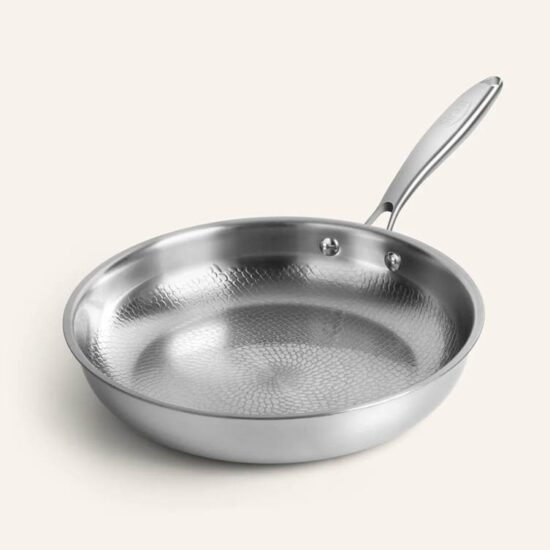
Cooking at home is one of the best ways to maintain a healthy lifestyle, but the tools you use in your kitchen matter just as much as the ingredients you choose. Among these tools, the frying pan is one of the most frequently used items. From sautéing vegetables to frying eggs and searing meat, it plays a central role in daily meal preparation.
However, not all frying pans are created equal. Many traditional non-stick pans rely on chemical coatings that may raise health concerns over time. This has led to growing interest in non-toxic frying pans—cookware designed to provide safe, chemical-free cooking without compromising performance.
What Is a Non-Toxic Frying Pan?
A non-toxic frying pan is designed without harmful chemical coatings such as PFOA (perfluorooctanoic acid), PTFE (commonly known as Teflon when heated beyond safe temperatures), lead, or cadmium. Instead, it uses safer materials like stainless steel, cast iron, ceramic, or naturally seasoned surfaces.
The main goal of these pans is to eliminate the risk of chemical leaching into food, especially when exposed to high heat. This makes them a safer alternative for everyday cooking, particularly for families and health-conscious individuals.
Why Traditional Non-Stick Pans Raise Concerns
Non-stick pans became popular because they made cooking and cleaning easier. However, many older or low-quality versions use coatings that can break down when overheated.
When non-stick coatings are exposed to high temperatures, they may release harmful fumes if inhaled. Over time, scratches and wear can also cause the coating to flake into food.
While modern non-stick technology has improved, many consumers are still cautious about long-term exposure to synthetic materials. This is where non-toxic alternatives become important.
Common Materials Used in Non-Toxic Frying Pans
Non-toxic frying pans are made from a variety of safe and durable materials. Each type has its own benefits depending on your cooking style.
Stainless Steel
Stainless steel is one of the most popular choices for non-toxic cookware. It is durable, resistant to rust, and does not react with food.
While it does not have a natural non-stick surface, proper heating techniques and the use of oil can prevent food from sticking. It is ideal for searing, browning, and high-heat cooking.
Cast Iron
Cast iron pans are known for their exceptional heat retention and natural non-stick surface when properly seasoned. They are completely free from synthetic coatings.
With regular use and care, cast iron develops a smooth, naturally non-stick layer. It is perfect for frying, baking, and slow cooking, though it requires maintenance to prevent rusting.
Ceramic-Coated Pans
Ceramic frying pans use a silica-based coating derived from sand. These pans are free from PTFE and PFOA, making them a popular non-toxic alternative.
They offer a smooth cooking surface and are relatively easy to clean. However, they may not last as long as cast iron or stainless steel if not handled carefully.
Carbon Steel
Carbon steel pans combine the benefits of cast iron and stainless steel. They heat up quickly, are lightweight, and develop a natural non-stick surface over time.
They are commonly used in professional kitchens and are highly durable when properly seasoned and maintained.
Health Benefits of Using Non-Toxic Frying Pans
Switching to a non-toxic frying pan can offer several health benefits. The most important is reducing exposure to potentially harmful chemicals that may be present in synthetic coatings.
Because these pans are made from stable, food-safe materials, they do not release toxins even at high temperatures. This makes them a safer option for frying, sautéing, and grilling.
Additionally, non-toxic pans often encourage healthier cooking habits, as they perform best with moderate amounts of oil rather than excessive fats.
Durability and Long-Term Value
One of the biggest advantages of non-toxic frying pans is their durability. While non-stick pans often need replacement every few years due to coating damage, materials like cast iron and stainless steel can last for decades.
This long lifespan makes them a cost-effective investment in the long run. Instead of frequently buying new cookware, you can rely on a single high-quality pan for years of consistent use.
Durability also contributes to sustainability by reducing kitchen waste.
Cooking Performance and Versatility
Non-toxic frying pans are designed to handle a wide range of cooking tasks. Stainless steel is excellent for browning and deglazing, cast iron excels at heat retention and searing, and ceramic pans are great for low to medium-heat cooking.
While they may require a bit more technique than traditional non-stick pans, they often deliver better flavor and texture in cooked food.
For example, cast iron can create a perfect crust on meats, while stainless steel allows for rich sauces to develop through browning.
Maintenance and Care Tips
Proper care is essential to keep non-toxic frying pans in good condition.
For stainless steel, avoid overheating and use enough oil to prevent sticking. Cleaning with warm water and mild soap is usually sufficient.
Cast iron requires seasoning—coating the surface with a thin layer of oil and heating it to build a protective layer. It should also be dried immediately after washing to prevent rust.
Ceramic pans should be handled gently, avoiding metal utensils and high heat to preserve the coating.
With proper care, these pans can maintain their performance and appearance for many years.
Environmental Advantages
Non-toxic frying pans are often more environmentally friendly than conventional non-stick options. Their long lifespan reduces the need for frequent replacements, which helps minimize waste.
Many are also made from recyclable materials like stainless steel and cast iron, making them a more sustainable choice for eco-conscious households.
By choosing durable cookware, you are not only improving your kitchen but also reducing your environmental footprint.
Choosing the Right Non-Toxic Frying Pan for Your Kitchen
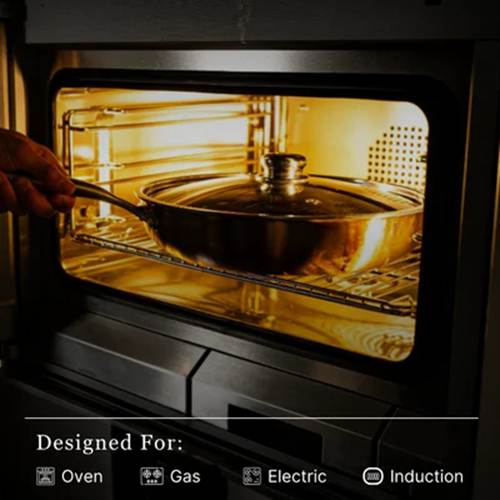
Selecting the right pan depends on your cooking habits and preferences.
If you cook high-heat meals frequently, stainless steel or cast iron may be the best option. If you prefer lightweight cookware with easier maintenance, ceramic or carbon steel might suit you better.
It is also important to consider handle design, size, and compatibility with your stove type, especially if you use induction cooktops.
Final Thoughts
A non-toxic frying pan is more than just a kitchen tool—it is an investment in your health, cooking experience, and long-term sustainability. By eliminating harmful coatings and using safe, durable materials, these pans offer a cleaner and more reliable way to prepare meals.
While they may require slightly different cooking techniques compared to traditional non-stick pans, the benefits far outweigh the learning curve. Better durability, improved safety, and enhanced cooking performance make them a smart choice for any modern kitchen.