
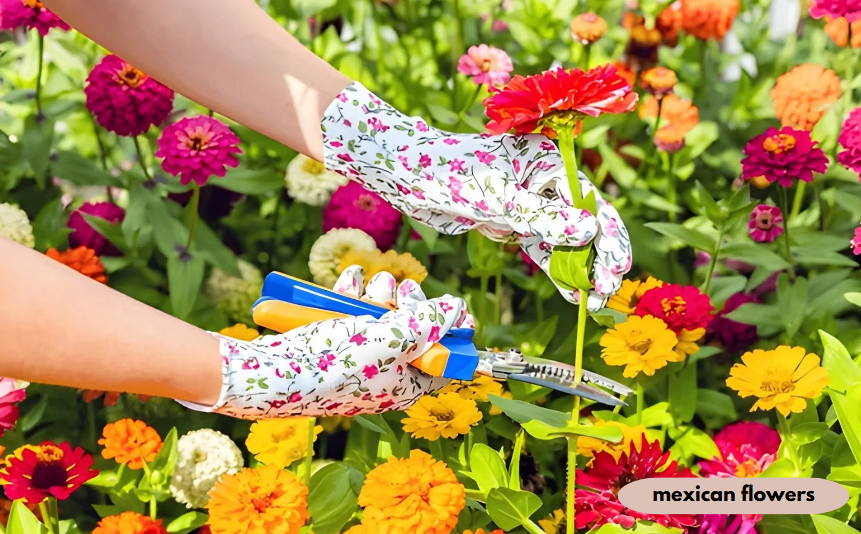
You can earn real money growing Mexican flowers. Zinnias, cosmos, dahlias, and cempasúchil marigolds flower quickly, yield abundant stems, and sell easily as bouquets at farmers markets, to neighborhood florists, and during Día de Muertos celebrations. Begin modestly with a single bed, record every stem you harvest, and set prices that turn a profit before you scale up operations.
Key Takeaways
- Zinnias, cosmos, dahlias, Mexican sunflowers, and cempasúchil marigolds all come from Mexico and handle U.S. summer heat well.
- A 100-plant zinnia bed can produce about 1,500 stems in one season when you cut it often.
- Mixed bouquets earn more per stem than single stems because buyers pay for color and design.
- Cempasúchil marigolds have a short, high-demand selling window in the days before November 1 and 2.
- Selling cut flowers is usually simpler legally than selling live plants or tubers, which often need a state nursery license.
What Are Mexican Flowers?
Mexican flowers are ornamental plants that originated in Mexico, such as dahlias, zinnias, cosmos, marigolds, tuberose, and poinsettias, and are now grown on flower farms worldwide.
Most are heat-loving annuals or tender perennials that bloom from midsummer to the first frost, which matches the U.S. farmers market season. The dahlia is Mexico’s national flower, and the orange cempasúchil marigold is the traditional flower of Día de Muertos altars.
Every seed packet lists days to bloom, plant height, and spacing, and that information tells you which variety fits your frost-free season.
Which Mexican Flowers Sell Best in the U.S.?
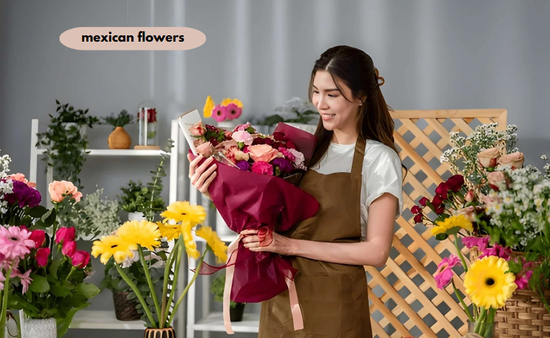
Zinnias, cosmos, dahlias, Mexican sunflowers, and cempasúchil marigolds sell best for small growers. They start from cheap seed or tubers and keep blooming the more you cut.
- Zinnias: The workhorse crop. They bloom about two months after sowing and come back after every cut.
- Cosmos: Light, airy filler that softens any bouquet and costs pennies per plant.
- Dahlias: The premium focal flower that florists and couples planning weddings ask for by name. They pay better per stem than any other crop here, and their short vase life is the reason few are shipped long distances.
- Mexican sunflower (Tithonia): Bright orange blooms that draw butterflies. Handle the hollow stems gently.
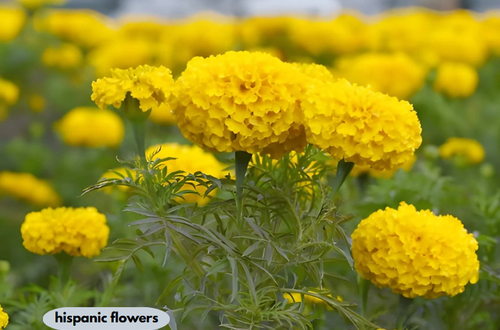
- Cempasúchil marigold: A time-limited crop delivering one huge payout every late October.
In 2024, buyers in the United States purchased about $42.4 million in cut flowers from Mexico, according to Data México, the trade portal run by Mexico’s Secretaría de Economía. Spread across more than 330 million Americans, that is under 13 cents per person per year, so imported Mexican stems leave wide room for a local grower.
If you landed on this page searching for money betterthisworld tips on creating extra earnings; zinnias and cosmos make the ideal starting point.
How Much Money Can a Small Mexican Flower Bed Earn?
A well-run 100-plant bed of a fast annual can gross roughly $500 to $1,500 in one season. The result depends on your price per stem, how many stems you actually sell, and how long your frost-free season lasts.
Domestic cut flower sales reached $468 million in 2024, a 22% jump over five years, according to the USDA National Agricultural Statistics Service’s 2024 Census of Horticultural Specialties, published in February 2026. Growth like that means buyers are paying for American-grown stems, so price at retail rather than copying the low wholesale rates you see online.
The table below is a worked example. Swap in your own local prices.
| Flower | Stems per plant (planning figure) | Total stems from 100 plants | Example price per stem | Gross if all sell | Gross at 60% sold | Seed or tuber cost |
| Zinnia | 15 | 1,500 | $1.00 | $1,500 | $900 | $15 |
| Cosmos | 15 | 1,500 | $0.75 | $1,125 | $675 | $15 |
| Mexican sunflower | 10 | 1,000 | $1.00 | $1,000 | $600 | $15 |
| Cempasúchil marigold | 8 | 800 | $1.00 | $800 | $480 | $15 |
| Dahlia | 10 | 1,000 | $2.50 | $2,500 | $1,500 | $400 |
Plan around the 60% column. The most common first-year mistake is budgeting for full sell-through, when weather, overripe blooms, and slow market days always cost stems. The fix is to count only what you expect to sell, then treat anything extra as a bonus.
Dahlias look the weakest in year one because $400 of tubers eats more than a quarter of the $1,500 realistic gross. In year two, each clump divides into several new tubers, so the same bed runs nearly free. Rarely do stocks multiply their price several times within five months, but here a $15 seed packet manages exactly that.
If you’re researching how to save money fast on a low income,, flowers work from the other side by bringing money in. A seed budget under $50 is one of the few side projects that can return several hundred dollars in a single summer.
What Are the 7 Most Profitable Tips for Selling Mexican Flowers?
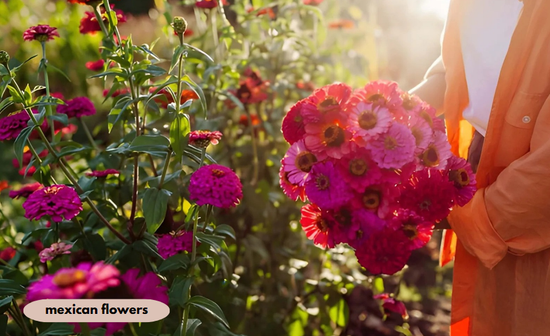
The seven habits below raise income per bed by cutting waste, lifting the price per stem, and timing harvests to peak demand.
- Start with one trial bed. Plant 100 zinnias and 100 cosmos after your last frost and sell for one full season before buying tools or renting land. It’s the same rule you’ll find in any guide on how to start investing for beginners: put in a small, fixed amount and judge the results before adding more.
- Time cempasúchil for Día de Muertos. Tall African-type marigolds need roughly 10 to 12 weeks from seed to full bloom, so sow in early to mid-July. Pre-sell bunches to churches, community groups, and families building ofrendas.
- Cut at the right stage. Pick zinnias when the stem below the bloom stays stiff, cosmos as the buds first show color, and dahlias when three-quarters open, since they will not open further in a vase. Cut in the cool morning and put stems straight into clean water.
- Sell bouquets, not single stems. A 10-stem bunch at $15 earns $1.50 per stem, beating $1 singles. Buyers pay more for the arrangement than for the flower count.
- Price from your cost per stem. Add seed, water, sleeves, and market fees, divide by the stems you expect to sell, and charge at least three times that cost. The margin covers labor and losses.
- Lock in repeat buyers. Offer an 8- to 10-week bouquet subscription paid up front. Early subscription cash pays for seed and tells you how much to plant.
- Save seed and divide tubers. Collect seed from open-pollinated zinnias, cosmos, and marigolds, and split dahlia clumps each fall. Saving seed and dividing tubers is one of the simplest answers to how to reduce monthly expenses for a small farm business, because you stop buying new seed and tubers every spring.
Write down every stem you cut and every bunch you sell, because those records become next year’s price list.
Where Do Homegrown Flowers Sell for the Best Price?
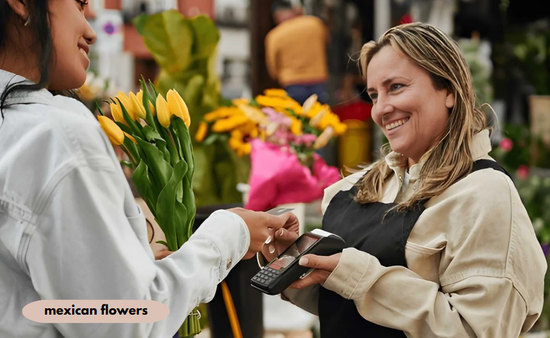
Direct sales pay the most. Farmers markets, roadside stands, and subscriptions let you keep the full retail price, while florists pay less per stem but buy in volume.
Imports supply close to four-fifths of the dollar value of all cut flowers Americans buy, according to a February 2025 Farmdoc daily analysis by University of Illinois economists. That share describes total market value, not farm counts, so it does not conflict with rising domestic sales. It tells you where to compete: roses and carnations ship well, while fresh dahlias and zinnias cut that morning do not.
Send local florists a weekly text with photos of what is ready. Check community calendars each fall for Día de Muertos festivals, and contact Hispanic grocers and panaderías in early October.
A roadside honor-box stand needs only a folding table, two buckets, and a clear price sign. It comes closest to the passive income ideas that work, though you still cut and restock every morning.
When the Usual Advice Does Not Apply
The cut-flower playbook changes if you sell live plants, potted poinsettias, or dahlia tubers. Most states require a nursery or plant dealer license, and sometimes an inspection, before you sell anything with roots, so read your state department of agriculture’s licensing rules and news on plant quarantines first. Gulf Coast growers face a second exception, because dahlias often stall in humid midsummer heat there, making zinnias, Mexican sunflowers, and fall marigolds the safer core crops.
Frequently Asked Questions
Is growing flowers to sell actually profitable?
Yes, small-scale cut flowers can be profitable when you sell directly to customers and price from your real cost per stem. Profit depends on sell-through rate, local prices, and season length, and tracking all three in year one shows whether to expand.
What is the easiest Mexican flower to grow for profit?
Zinnias are the easiest Mexican flower to grow for profit because they sprout fast, tolerate heat, and rebloom after every cut. One seed packet can fill a 100-plant bed, with stems ready about two months after sowing.
When should I plant marigolds to sell for Day of the Dead?
Sow cempasúchil marigolds in early to mid-July so they reach full bloom in the last week of October. In northern states, start seed indoors in June, because an early frost ends the crop before the holiday.
Do I need a license to sell flowers I grow at home?
Most states do not require a special license to sell cut flowers you grow yourself. Depending on your city and state, you will often need a general business license, a sales tax permit, or a market vendor permit, and live plants usually require a nursery license.
How much should I charge for a bouquet of homegrown flowers?
Charge at least three times your cost per stem, multiplied by the number of stems in the bouquet. A 10-stem bunch that costs 40 cents a stem to produce should sell for $12 or more, and $15 suits bunches that include dahlias.
Conclusion
Mexican flowers earn the most when you grow what imports cannot deliver fresh, track every stem, and sell bouquets directly to buyers. Start with one bed of zinnias and cosmos, add cempasúchil for late October, and let real sales numbers decide whether dahlias and a bigger plot come next.



One comment on “How to Make Money Growing and Selling Mexican Flowers: 7 Profitable Tips ”