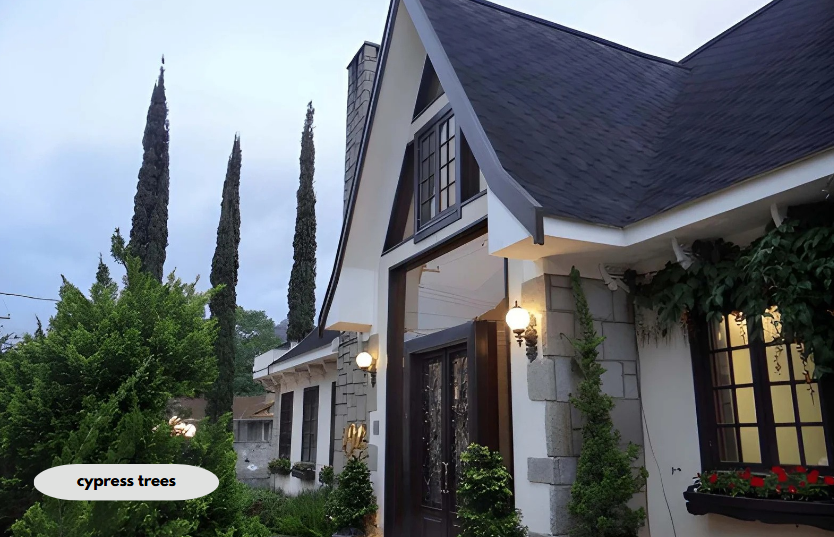
Cypress trees boost home value by adding year-round curb appeal, privacy screening, and energy-saving shade that buyers will pay for. The best return comes from picking a species that fits your climate and lot size, then planting it far enough from the house to mature without causing damage.
Key Takeaways
- Mature, well-placed trees raise a home’s sale price because buyers value shade, privacy, and an established landscape.
- Cypress trees work as a long-term investment because they grow quickly when young and need little pruning once established.
- Leyland, bald, and Arizona cypress suit different conditions, so the right species depends on your USDA hardiness zone and soil moisture.
- Planting too close to the foundation, driveway, or power lines is the most common mistake, and it turns an asset into a removal bill.
- Trees on the south and west sides of a house deliver the largest summer cooling benefit.
What Are Cypress Trees?
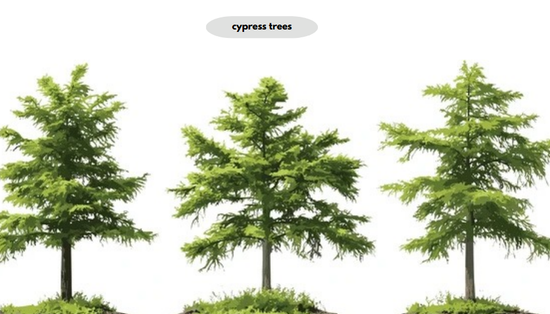
Cypress trees are cone-bearing conifers prized in American yards for their upright form, fine-textured foliage, and fast early growth.
The most common landscape choices in the U.S. are Leyland cypress, bald cypress, Arizona cypress, and Italian cypress. Most stay green all year, while bald cypress sheds its soft needles every fall and regrows them in spring. Homeowners who plan yard upgrades with betterthisworld usually narrow the choice to these four cypress trees because each one fills a different role.
Do Cypress Trees Actually Increase Home Value?
Yes. Healthy cypress trees near a house raise what buyers will pay, and evergreen screens add the privacy many buyers put at the top of their wish list.
In a USDA Forest Service analysis of home sales in Portland, Oregon, trees growing close to a house lifted its selling price by $8,870 on average. On a $350,000 home, that premium equals about 2.5% of the price, earned from plants that cost a small fraction of that amount.
The premium depends on condition and placement. A healthy tree that frames the house adds value, while an overgrown hedge that blocks windows or crowds the roof pushes buyers to budget for removal. Listing information that notes the age and health of mature cypress trees gives buyers a concrete reason to value the yard.
Why buyers pay more for evergreen screens
Evergreen cypress trees block views from neighbors and roads in every season, which a leafless tree cannot do in winter. A row along a back fence also softens road noise and wind, and it signals a finished landscape rather than a bare lot.
How Much Can Cypress Trees Save on Energy Bills?
Shade and wind protection from cypress trees lower heating and cooling costs, and the size of the savings depends on your climate, the tree’s position, and how exposed the house is today.
The U.S. Department of Energy’s Energy Saver program reports that well-planned landscaping can reduce air-conditioning costs for an unshaded house by anywhere from 15% to 50%. For example, if your summer cooling runs $1,200 a year, that range works out to $180 to $600 kept in your budget annually.
These savings are separate from resale value. Energy savings show up on monthly bills while you live in the house, whereas a price premium pays out only when you sell. That is real money you collect twice from the same planting.
Placement decides which benefit you get:
- Evergreen cypress on the north and northwest sides blocks cold winter wind.
- Deciduous bald cypress on the south and west sides shades walls in summer and lets warm sun through in winter.
- Dense evergreens directly south of a window block helpful winter sun, so keep them off that side in cold climates.
Which Cypress Trees Grow Best in U.S. Yards?
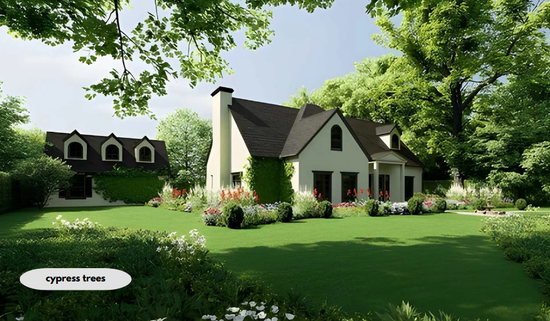
The best cypress for your yard depends on hardiness zone, soil moisture, and available space. Leyland suits fast screens on large lots, bald cypress handles wet ground, and Arizona cypress tolerates heat and drought.
| Species | Growth figure | Size or hardiness figure | Best use | Watch out for | Source |
| Leyland cypress | Puts on 3 to 4 feet yearly while young | Reaches 35 to 50 feet tall | Fast privacy screen on large lots | Canker disease on hot, stressed sites; outgrows small yards | UF/IFAS Extension, Leyland Cypress fact sheet |
| Bald cypress | Reaches 40 to 50 feet in about 15 to 25 years | Hardy in USDA zones 5A through 10B | Wet, low, or flood-prone ground; fall color | Sheds needles every fall; grows knees beside still water | UF/IFAS Extension, Baldcypress fact sheet |
| Arizona cypress | Grows 30 to 40 feet tall | Hardy in USDA zones 7A through 11 | Hot, dry, low-water yards and windbreaks | Needs full sun and well-drained soil | UF/IFAS Extension, Roughbark Arizona Cypress fact sheet |
Use a simple decision rule. If the yard stays soggy after rain, choose bald cypress. If summers are hot and dry, choose Arizona cypress. If you have a large lot and want a screen fast, choose Leyland and give each tree room. Your county extension office offers free planting info matched to your local soil.
How Should You Plant Cypress Trees to Protect Your Investment?
Plant in full sun, in a spot where the tree’s mature width fits, and water deeply through its first two summers. Follow these tips in order:
- Look up your USDA hardiness zone and match it to a species from the table above.
- Find the tree’s mature spread on the nursery tag, then set the trunk at least half that width plus 5 feet from any wall.
- Call 811 before digging so buried gas, water, and cable lines get marked for free.
- Keep tall species out from under overhead power lines.
- Space screen trees so air moves between them, which lowers disease pressure on the lower branches.
- Spread mulch in a wide ring, keep it off the trunk, and water deeply once a week during dry spells.
- Save receipts and take dated photos each year, so your agent can show buyers how long the landscape has been established.
The costly mistake: buying for nursery size instead of mature size
A young Leyland seems innocent next to a wall, yet in ten years it crowds the gutters, blocks sunlight from the grass, and litters the roof. The mistake happens because shoppers judge cypress trees in the pot, not at maturity. The fix is to measure before buying, choose a narrower species for tight spots, and move a misplaced tree while it is still young enough to transplant.
How Does Tree Value Connect to Your Next Down Payment?
Sale value added by established cypress trees becomes equity at closing, and many sellers roll that equity into the down payment on their next home.
The National Association of REALTORS® 2025 Profile of Home Buyers and Sellers put the typical first-time buyer’s down payment at 10%, a level not reached since 1989. On a $350,000 home, that means bringing $35,000 to closing, and an $8,870 tree premium would cover roughly a quarter of it.
If you are working out how to save for a house down payment while you still own your current home, planting cypress trees years before you list is one of the cheapest ways to build sale value. Pair that early planting with a dedicated savings account so the yard and the bank balance grow together.
When Should You Skip Cypress Trees?
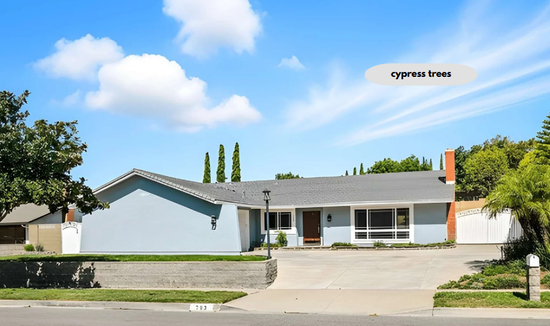
Skip or relocate cypress trees if your home sits in a wildfire-prone area, because their resin-rich foliage burns hot and fast.
In those areas the usual advice flips. Cypress foliage collects dead material inside the canopy, so a tall row beside the house can carry flames to the walls. California and other high-risk states require defensible space around homes, and insurers in those areas inspect for it.
In a mapped fire hazard zone, keep cypress well away from structures or choose lower-risk plants, because a hedge that fails an insurance inspection subtracts value instead of adding it. Anyone following money betterthisworld advice on protecting home equity should check local fire hazard maps before buying a single tree.
Frequently Asked Questions
How long does it take for cypress trees to add value?
They add visible value once they are tall enough to screen a view or shade a wall, and fast species get there first. Leyland cypress reaches screening height far sooner than bald cypress, so plant several years before you expect to sell.
Are Leyland cypress trees bad for small yards?
Standard Leyland cypress usually outgrows a small yard unless you prune it every year. On tight lots, choose a narrow cultivar or Arizona cypress, and keep the trunk well back from walls and fences.
Do cypress trees damage foundations?
Cypress roots rarely crack a sound foundation, but trees planted too close cause trouble through branches, debris, and trapped moisture. Spacing the trunk by at least half the mature spread plus a margin prevents most problems.
Which cypress tree is best for a wet yard?
Bald cypress is the strongest choice for wet, low, or flood-prone ground. It tolerates standing water, grows woody knees in very wet spots, and gives rust-orange fall color before dropping its needles.
Is planting trees worth it if I plan to sell within a year?
New plantings add little value in a single year, because buyers pay for mature trees rather than saplings. Put your effort into existing trees instead: remove deadwood, cut branches back from the roof, and photograph the yard at its best.
Conclusion
Cypress trees reward homeowners who match the species to their climate, plan for mature size, and plant years before a sale. Placed well, they cut cooling bills while you live in the house and add equity when you sell. Placed poorly, they become a removal job, so measure first and plant second.