
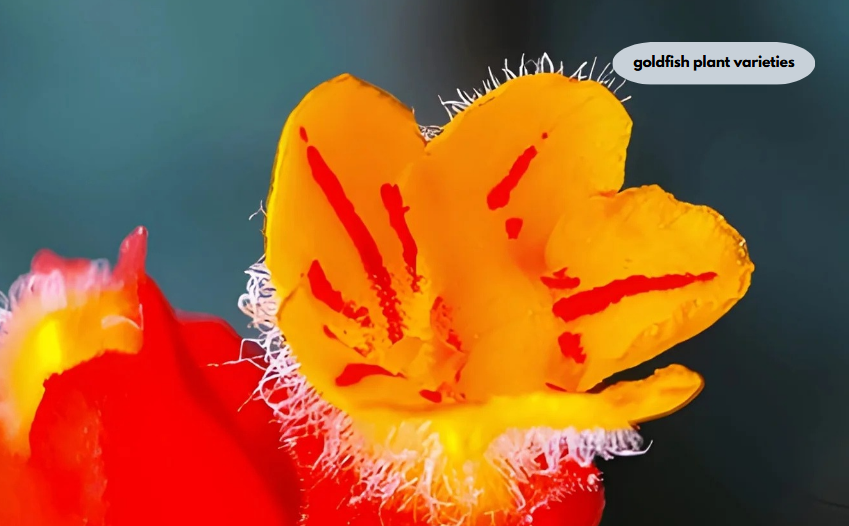
Yes, growing Columnea can turn a real profit, but it comes from choosing goldfish plant varieties buyers rarely find at big-box stores, such as variegated and yellow-flowered types. Expect roughly $8 to $10 net per shipped 4-inch plant, so it works best as a side income.
Key Takeaways
- Columnea cuttings cost almost nothing to produce once you own a healthy mother plant, which keeps per-plant costs low.
- Variegated and unusual-flowered Columnea types sell for more than the common red-orange Columnea gloriosa.
- In a worked online-sale example, a $16 plant with $9 shipping nets about $9.77 after fees, supplies, and postage.
- Shipping in cold weather without a heat pack is the most common reason new sellers lose profit to refunds.
- Farmers markets, plant swaps, and holiday markets let you skip shipping costs entirely.
What Is a Columnea Goldfish Plant?
A Columnea goldfish plant is a trailing tropical gesneriad, related to African violets, whose tubular red, orange, or yellow flowers look like small fish leaping off the stems.
The popular name also applies to Nematanthus, a relative from Brazil whose blooms are shaped like small pouches. Buyers mix the two up often, so label every listing with the botanical name; clear labels lead to better reviews and fewer returns.
Which Goldfish Plant Varieties Sell Best?
The goldfish plant varieties that sell best are the ones that look good without flowers: variegated foliage types and plants with uncommon flower colors. Plain green Columnea gloriosa sells, but it competes with garden-center stock on price.
Shoppers scroll past green vines. Leaves with creamy edges, small trailing foliage, and golden flowers catch the eye mid-scroll and make a higher price easier to justify.
| Variety | Flower color | Foliage | Why buyers want it | Price tier |
| Columnea ‘Light Prince’ | Orange | Green with cream-gold variegation | Colorful, even out of bloom | Premium |
| Columnea ‘Broget Stavanger’ | Red-orange | Cream-edged variegation | Hard to find in U.S. stores | Premium |
| Columnea microphylla ‘Variegata’ | Orange-red | Tiny cream-edged leaves on long strands | Dramatic hanging-basket trails | Premium |
| Columnea ‘Carnival’ | Yellow with red edges | Dark green | Two-tone flowers stand out in photos. | Mid-high |
| Columnea × banksii | Scarlet | Glossy dark green | Reliable bloomer for beginners | Mid |
| Columnea gloriosa | Red with yellow throat | Fuzzy, purple-tinged | The classic, widely available | Standard |
| Nematanthus ‘Tropicana’ | Yellow with maroon stripes | Glossy green | Upright habit, sold as a goldfish plant | Standard |
Columnea × banksii holds the Royal Horticultural Society’s Award of Garden Merit. Mention that award in your listing description, because it gives first-time buyers a reason to trust a plant they have never grown.
The genus grows wild from southern Mexico into South America, which is why its warm reds and oranges blend so easily with mexican flowers in a mixed display. A practical stocking rule: keep two premium variegated types, one yellow-flowered type, and one easy bloomer to cover both collectors and beginners.
Is There Real Money in Growing Goldfish Plants?
There is real money, but at a side-income scale for most home growers. A small grower can realistically earn a few hundred dollars a month, not a full salary.
The U.S. horticulture market is large. The USDA National Agricultural Statistics Service reported $18.3 billion in floriculture, nursery, and specialty crop sales for 2024 in its Census of Horticultural Specialties, released in February 2026. Most of that flows through big wholesale greenhouses, so a home grower cannot win on price and must win on rare varieties and healthy, well-rooted plants.
People who search for phrases like money betterthisworld usually want something they can start from a spare room. Columnea fits that goal because one cutting becomes a sellable plant within a single growing season.
How Much Profit Does One Columnea Plant Make?
One shipped 4-inch Columnea nets about $9 to $10 in profit when priced at $16 plus shipping. Your margin depends mostly on packaging and shipping costs, not the plant itself.
Etsy’s Fees & Payments Policy requires a U.S. seller to pay a $0.20 listing fee, a 6.5% transaction fee on the item and shipping combined, and payment processing of 3% plus $0.25. Here is how that plays out on one order where the buyer pays $16 for the plant and $9 for shipping, for a $25 total:
- Transaction fee: 6.5% of $25 = $1.63
- Payment processing: 3% of $25 plus $0.25 = $1.00
- Listing fee: $0.20
- Pot and soil: $1.10
- Fertilizer and water: $0.30
- Box, padding, and plant sleeve: $2.50
- Shipping label: $8.50
Total costs come to $15.23, leaving $9.77 profit per plant. Sell 20 plants a month and you clear about $195. Raise the price to $22 for a premium variegated type, and profit climbs to about $15.21 per order, because the fixed costs stay the same.
The math shows why choosing the right goldfish plant varieties matters: a common green plant at $10 leaves only about $4.35 after the same costs. Selling through your own website removes the marketplace transaction fee, though card processing still applies.
How Do You Propagate Columnea for Sale?
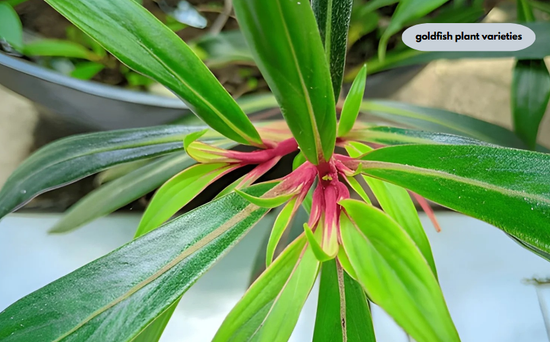
You propagate Columnea from stem cuttings taken from a healthy mother plant. One mature plant can supply dozens of cuttings a year at almost no cost.
According to Gardener’s Path, goldfish plant cuttings root in about three weeks and take around a year to bloom. That timeline means cuttings taken in March can sell as rooted starts by May and as flowering hanging pots the next spring, giving you two products from one batch. Unlike cypress trees, which tie up land for years before reaching saleable size, a Columnea batch pays back within one season.
- Cut 3- to 5-inch stem tips just below a leaf node, using clean scissors.
- Strip the bottom leaves and dip the cut end in rooting hormone.
- Place three to five cuttings in each 4-inch pot, using a lightweight blend of peat-free potting soil and perlite.
- Cover the pots with a clear dome or bag to hold humidity, and keep them in bright, indirect light.
- Tug gently after three weeks; resistance means roots have formed.
- Pinch the growing tips once new growth appears, so each pot fills out before you list it.
Multiple cuttings per pot is the step most beginners skip. Start by rooting the premium goldfish plant varieties, because at the prices above, each variegated pot brings in roughly $5 more than a green one.
Where Should You Sell Goldfish Plants?
Sell premium varieties online and common varieties locally. Online buyers pay for rarity, while local buyers pay for convenience and no shipping risk.
Marketplaces bring traffic fastest when you are starting out. Readers arriving from betterthisworld in search of a low-cost first project can start with one mother plant and a single pack of 4-inch pots. Locally, farmers markets, plant swaps, and a spring or holiday event can move 15 to 30 pots in a day with zero packaging cost. Bring pots in full flower to in-person sales, since open blooms sell plants faster than any sign.
Common Mistake: Shipping Without Cold Protection
The costliest mistake is shipping tropical plants into cold regions without protection. It happens because sellers check their own weather instead of the buyer’s, and Columnea drops leaves fast after a chill.
The fix is a simple rule. Ship only Monday through Wednesday, add a heat pack when the destination’s overnight low falls below 50°F, and hold orders when it falls below 30°F. Generic side-income lists on sites like betterthisfacts skip this detail, yet a sturdier box costs less than one refund plus a replacement plant.
When Does This Advice Not Apply?
Growers in frost-free parts of Florida, South Texas, Southern California, and Hawaii face different math. They can grow mother plants outdoors in shaded beds year-round, which cuts lighting costs and allows larger batches. At that scale, selling flats of rooted cuttings wholesale to local garden centers often beats shipping single plants, because packing time drops to almost nothing. Growers in South Texas and Southern California can also sell year-round at markets where shoppers already buy hispanic flowers for quinceañeras and Día de los Muertos. The wholesale route requires a state nursery license before the first sale.
FAQ
Are goldfish plants hard to grow for beginners?
Goldfish plants are moderately easy once you get light and watering right. Give them bright, indirect light and soil that stays evenly moist without ever becoming soggy. Water with room-temperature water, as cold water can leave spots on the leaves.
How long does it take to grow a sellable goldfish plant?
A rooted, sellable Columnea start takes about six to eight weeks from cutting. A full, flowering hanging pot usually takes close to a year. Plan your sales calendar around both stages.
Is the goldfish plant safe for pets?
Columnea is generally considered nontoxic to cats and dogs. That makes it a strong selling point for pet owners. Even so, mention in your listings that pets who chew the leaves may get an upset stomach.
Do you need a license to sell plants in the USA?
Most states require a nursery or plant dealer license, even for small home sellers. Rules and fees vary by state, so check with your state department of agriculture. Shipping across state lines can add inspection requirements.
Why is my goldfish plant not blooming?
Low light is the most common reason a goldfish plant will not bloom. Move it to a bright spot out of harsh midday sun. A snug, slightly root-bound pot and a brief, cooler rest over winter also help prompt blooming.
What should you charge for goldfish plant cuttings?
Price unrooted cuttings at about one-third of a rooted 4-inch plant. Buyers accept lower survival odds in exchange for the lower price. Bundle five cuttings per listing to cover fees.
Conclusion
Growing Columnea for profit works when you treat it as a variety business, not a volume business. The goldfish plant varieties with variegated leaves or unusual flowers earn more than double the margin of common types. Begin with a single premium mother plant, root your cuttings in batches, and sell in places where the risk of shipping damage stays low.