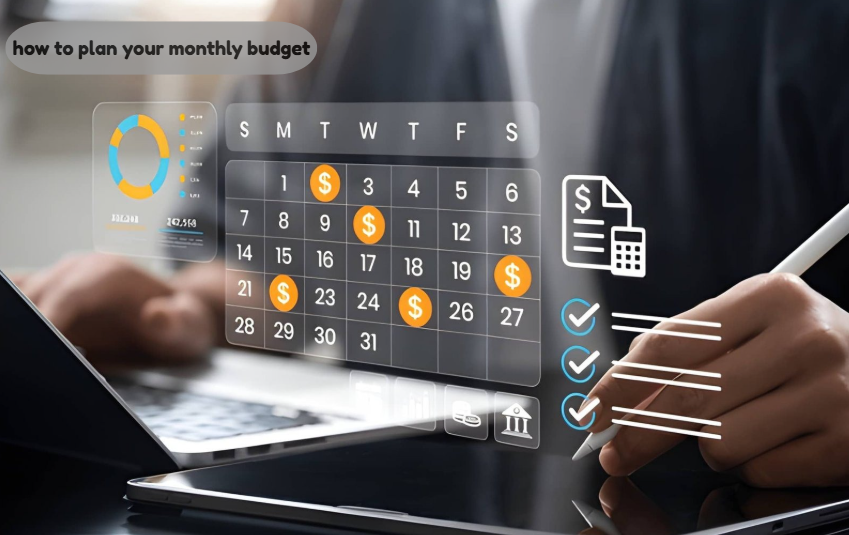
Learning how to plan your monthly budget means assigning every dollar of income a job before the month starts, tracking spending against that plan weekly, and adjusting categories as real life happens. It’s less about restriction and more about giving your money direction so nothing disappears without a trace.
What Is Monthly Budgeting and Why Does It Actually Matter
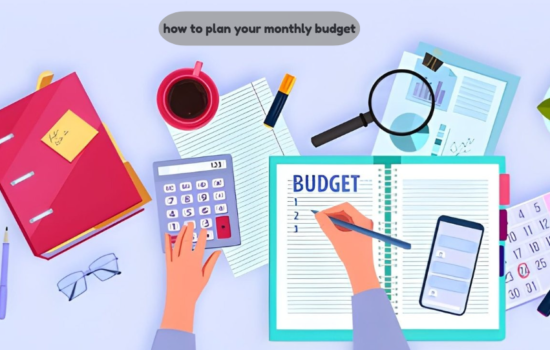
Monthly budgeting is the process of estimating your total income and creating an explicit spending plan for an upcoming 30-day cycle. It matters because it transforms unpredictable expenses into an organized plan, providing financial clarity and preventing accidental overspending.
I started budgeting seriously back in 2022 after realizing I had no idea where my paycheck went by the 20th of every month. It wasn’t dramatic overspending. It was fifteen small charges I never noticed. Once I sat down and mapped everything out, the picture got a lot clearer, and honestly, a lot less scary.
Monthly budgeting matters because it turns vague financial anxiety into a concrete plan you can actually control. When you know exactly what’s coming in and where it’s going out, decisions get easier.
What Is the 50/30/20 Budgeting Rule?
The 50/30/20 rule splits your after-tax paycheck into three simple buckets. Half goes to needs like rent, groceries, and utilities. Thirty percent goes toward entertainment and eating out. The last twenty percent goes toward savings and paying down debt aggressively. It’s less a strict formula and more a gut check on whether your spending is actually balanced.
I like this method because it’s flexible enough for real life. Rent, groceries, and utilities eat up that fifty percent for most people. That last twenty percent is where the magic happens, since it forces you to prioritize your future self before your next Amazon order.
How Much Should I Budget for Savings Each Month?
Most financial experts, including researchers at Bankrate, recommend saving at least twenty percent of your take-home pay each month if your situation allows it.
That said, twenty percent isn’t a magic number for everyone. If you’re just starting out, even five or ten percent is a solid starting point. The goal is consistency, not perfection.
How to Plan Your Monthly Budget Step by Step
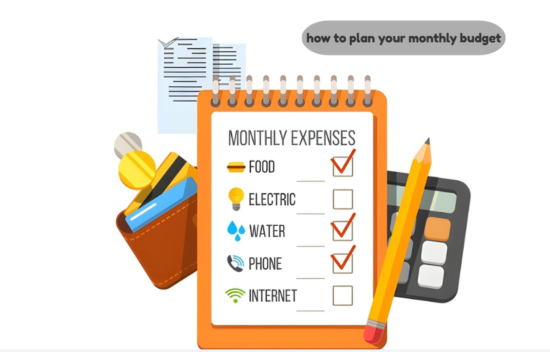
This is the part people skip, and it’s exactly why so many budgets fail within a few weeks. Knowing how to plan your monthly budget properly requires an actual sequence, not just good intentions. Here’s how I break it down step by step.
Step 1: Add Up Your Total Monthly Income After Taxes
Every other decision in your budget depends on this number, so start here. Add up your paycheck, any freelance income, and whatever you’re pulling in from a side hustle. Be honest with yourself while you’re doing this. Using an inflated number just sets you up to overspend and feel like a failure by week three.
Step 2: Pull Your Last Two to Three Months of Bank Statements
You can’t plan a budget on guesswork, so go back and look at what you’ve actually been spending. Pull your bank and credit card statements from the last two or three months and start categorizing every single transaction by type.
Step 3: Track Every Expense as It Happens, Not After the Fact
I personally use a mix of my bank’s built-in categorization tool and a simple spreadsheet, because apps sometimes miscategorize things like Target runs that mix groceries with random household stuff. I actually stumbled on a solid breakdown of this exact habit on money betterthisworld a while back, and it matched almost exactly what I’d already been doing by trial and error.
Step 4: Build Small Habits That Keep You Consistent
A few things that genuinely helped me stay on top of tracking include checking my accounts every Sunday night instead of waiting until month end. I also started writing down cash purchases immediately instead of trusting my memory, and I separated fixed bills from flexible spending so I could actually see which category needed trimming.
Simple Budgeting Tips for Beginners That Actually Work

If you’re new to this, simple budgeting tips for beginners usually work better than complicated systems with twelve categories and color-coded spreadsheets.
What Is the Easiest Budgeting Method for Beginners?
The easiest method for beginners is the envelope system, where you assign cash or virtual “envelopes” to specific spending categories and stop once an envelope is empty.
There’s also the zero-based budget, where every dollar gets assigned a purpose so your income minus expenses equals zero. Both methods force awareness without requiring finance knowledge you don’t have yet.
How Can I Follow a Budget Without Feeling Constrained?
You stick to a budget longer when you build in a small, guilt-free spending category instead of cutting out every non-essential purchase.
Total restriction backfires, plain and simple. I learned this the hard way in early 2023 when I tried cutting all discretionary spending for a month and ended up blowing the entire budget on a single weekend out of sheer burnout. Now I keep a small “fun money” category every month, and honestly, that one change is what made the whole system sustainable for me.
A few habits made a real difference too. Here’s what actually helped:
- Reviewing my budget every payday instead of waiting until once a month
- Rounding expense estimates up instead of down so I wasn’t caught off guard
- Giving myself permission to move money between categories, as long as the total stayed balanced
Setting and Reaching Realistic Savings Goals
How Do I Set Savings Goals I’ll Actually Hit.
You set savings goals you’ll actually hit by making them specific, time-bound, and tied to a dollar amount rather than a vague idea like “save more.”
Instead of saying you want to save more this year, decide you want $3,000 in an emergency fund by December. That specificity changes how you spend in March, not just how you feel about money in January.
What Percentage of Income Should Go Toward Savings?
A common benchmark is twenty percent of take-home income, though ten to fifteen percent is a realistic starting point for many households.
I’ve followed personal finance tips for beginners floating around Reddit communities like r/personalfinance, and one theme keeps repeating. Starting small and staying consistent beats an ambitious plan you abandon after six weeks. Once my emergency fund was solid, I started dipping into investing too, and reading betterthisworld stocks coverage on slow weekends actually made the whole topic feel less intimidating than I expected.
Best Budgeting Apps and Tools Compared
| Tool | Best For | Cost |
| YNAB (You Need A Budget) | Zero-based budgeting fans | Paid subscription |
| Monarch Money | Automated expense tracking | Paid subscription |
| A basic spreadsheet | Hands-on, customizable control | Free |
| Qapital | Goal-based saving | Free with optional paid tiers |
I switched from a free spreadsheet to YNAB in 2024 after comparing a few options through a roundup on betterthisworld.com tech, and honestly, the automation saved me a few hours a month. If you’re just figuring out how to plan your monthly budget for the first time, a free spreadsheet works just as well while you learn the habit.
Frequently Asked Questions About Monthly Budgeting
How long does it take to see results from budgeting?
Most people notice a real shift in their spending awareness within thirty to sixty days of consistent tracking.
Should I budget with a partner or separately?
Couples generally do better financially when they budget jointly for shared expenses while keeping some individual discretionary spending.
What’s the biggest budgeting mistake beginners make?
Honestly, it’s forgetting about the expenses that don’t show up every month. Things like car repairs, annual subscriptions, or that random birthday gift you didn’t plan for. These unforeseen expenses are the ones that subtly destroy an otherwise sound budget since no one remembers to budget for them until they arise.
Is it normal to go over budget in the first few months?
Yeah, completely normal, and it doesn’t mean you’ve failed at this. It usually just means your numbers were a little off, and now you actually have real data to fix them with.
Final Thoughts
Figuring out how to plan your monthly budget isn’t a one-time project. It’s a habit you refine every few months as your income, rent, and priorities shift. I still tweak my categories every few months, and I doubt that’ll ever fully stop, because life doesn’t hold still long enough for a “perfect” budget to exist.
If you’re reading this and still haven’t started, don’t overthink the method. Grab last month’s bank statement tonight, write down every category you spent money in, and build your first draft from there. That’s actually the complete first step.