

Managing money can feel more difficult these days than it did before. Rent keeps rising. Groceries cost more every few months. Even a quick trip to the store can end up costing far more than expected. A lot of people in the United States work full time and still feel anxious waiting for the next paycheck.
Most beginners are not irresponsible with money. The bigger issue is that very few people were taught how to handle it properly in everyday life. Schools rarely explain budgeting, saving, credit cards, debt, or retirement in a practical way. So many people end up learning through stress, overdraft fees, and financial mistakes.
It’s not necessary to feel overburdened or anxious about money. You don’t need expensive courses or complicated spreadsheets to get better at managing it. Most of the time, it’s the small daily habits that really matter. A simple budget, regular saving, and more mindful spending can slowly make a real difference over time.
This guide is meant to make personal finance feel more practical and simpler to use in daily life, particularly for novices. These personal finance tips for beginners focus on simple habits that help people manage money more confidently in everyday life.
It shows how to set up a budget, stay away from common debt problems, save money without giving up the things you enjoy, spend more thoughtfully, and build habits that actually last. The goal is not getting rich fast. The goal is feeling more stable and less stressed about money.
Step 1 Understand Where Your Money Goes Every Month
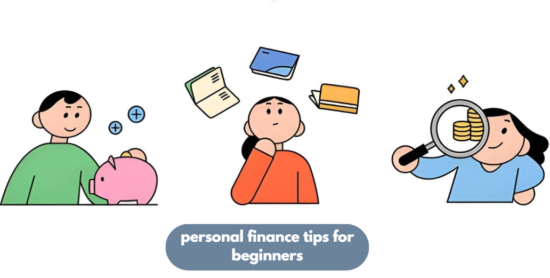
Before improving your finances, You must have a clear understanding of how your money is being spent.
A lot of people assume they already know. Then they sit down and check their bank statements honestly for the first time and realize how much money disappears on small things.
Delivery apps, coffee stops, online shopping, subscriptions, and random convenience spending add up quietly over time. None of those purchases feel serious in the moment, which is why they become easy to ignore.
Start by looking through the last month of spending.
Write everything down. Rent. Utilities. Gas. Groceries. Streaming services. Restaurants. Shopping. Every expense matters here.
This part can feel uncomfortable at first because it forces honesty. But it also helps people finally see patterns they missed before.
Many top finance websites mention the same thing repeatedly. People usually spend more than they think they do until they actually track it.
One simple way to organize spending is by separating needs from wants.
Housing, food, transportation, insurance, and bills are examples of needs.
Wants include entertainment, shopping, subscriptions, and unnecessary extras.
That does not imply that you must eliminate all enjoyment from your life. The point is understanding what matters most.
A lot of emotional spending happens automatically. Someone has a stressful day and orders expensive takeout without thinking twice. Someone else shops online late at night because they are bored.
Once those habits become visible, they become easier to change.
Some conversations connected to money betterthisworld focus heavily on awareness because many financial problems begin with unnoticed habits rather than huge mistakes.
That idea matters more than most people realize.
Step 2 Create a Budget You Can Actually Stick To
Many beginners fail at budgeting because they make budgets that are too strict.
They cut every enjoyable expense immediately. Then after a couple of stressful weeks, they quit completely.
A budget should make life feel more manageable, not more miserable.
Start with your monthly income after taxes. Then list your fixed expenses first.
That usually includes things like rent, utilities, insurance, transportation, phone bills, and groceries.
Once those are covered, you can decide how much to set aside for savings and how much to keep for flexible spending.
Many people use the 50/30/20 rule as a simple guide. In that approach, about half of your income goes to needs.
Thirty percent goes toward wants.
The remaining twenty percent goes toward savings or debt payments.
But real life does not always fit neatly into percentages.
In many cities across the United States, rent alone takes a huge portion of someone’s paycheck. That does not mean budgeting failed. It simply means the budget needs to reflect reality.
One thing that helps many beginners is separating money into different bank accounts.
One account for bills.
One for savings.
One for spending money.
It becomes much easier to see when spending starts getting out of control.
Another good habit is checking your budget every week instead of only at the end of the month when problems have already happened.
Personal finance tips for beginners work better when they are simple enough to repeat consistently.
Perfect budgets usually fall apart quickly.
Realistic budgets tend to last longer.
Step 3 Build Emergency Savings Before Focusing on Anything Else
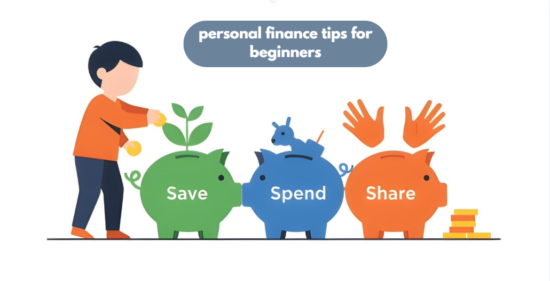
Emergency savings protect people from turning every problem into debt.
Without savings, even small emergencies feel overwhelming.
A car repair, medical bill, broken appliance, or unexpected trip can suddenly force someone to rely on credit cards.
That cycle becomes difficult to escape once debt starts growing.
Most financial experts recommend eventually saving three to six months of living expenses.
But beginners should not worry about huge numbers right away.
Start smaller.
Saving your first five hundred dollars is already a big step.
Then work toward one thousand.
Smaller goals feel more realistic and help people build confidence faster.
A high-yield savings account can be a smart choice because it typically earns more interest than a regular savings account. It also helps you keep your savings separate from the money you use for everyday expenses, which makes it easier to avoid spending it accidentally.
One common mistake is waiting until there is leftover money to save.
For most people, leftover money rarely appears consistently.
Saving works better when it happens automatically.
Even putting aside twenty or thirty dollars from each paycheck starts building momentum.
And honestly, emergency savings help mentally too.
Financial stress feels different when you know one unexpected expense will not completely ruin your month.
That sense of relief matters more than many people expect.
Conversations around betterthisworld money often focus on peace of mind instead of trying to impress people online with expensive lifestyles. That mindset feels more useful for beginners trying to build long-term stability.
Step 4 Spend More Carefully Without Making Life Miserable
Smart spending is not about becoming extremely cheap.
It has to do with using your money more purposefully.
A lot of beginners lose money through convenience spending without realizing how much it costs over time.
Food delivery apps are a good example.
Once delivery fees, service charges, tips, and menu markups get added together, one meal becomes surprisingly expensive.
Subscriptions create similar problems.
Many people forget how many monthly charges they signed up for until they finally review their bank statements carefully.
Streaming platforms, fitness apps, gaming subscriptions, premium memberships, and cloud storage services slowly pile up.
One habit that helps is waiting at least twenty four hours before buying non essential things.
A surprising number of impulse purchases stop feeling important after a little time passes.
Another smart habit is comparing prices before making expensive purchases. A lot of people overspend simply because they buy too quickly.
Buying secondhand items can also save a huge amount of money.
Furniture, electronics, exercise equipment, and even cars often cost far less when purchased used.
Some discussions connected to betterthisworld.com tech talk about how apps and online stores are built to encourage emotional spending. Once people start noticing those patterns, impulse shopping becomes easier to control.
Smart spending does not mean removing every enjoyable thing from life.
It entails ensuring that your funds are used for items that are truly important to you.
Step 5 Learn How Credit Cards Really Work
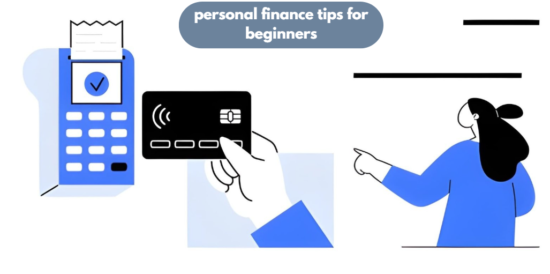
Credit cards are not inherently harmful.
The real problem is using them without understanding how quickly debt grows.
A lot of beginners see available credit and treat it like extra income.
It is not.
It is borrowed money that becomes expensive when balances stay unpaid.
High interest rates make small purchases cost far more over time.
One of the most useful personal finance tips for beginners is learning how credit scores work early.
In the United States, credit scores affect apartments, car loans, insurance rates, and sometimes even job opportunities.
Regularly paying your bills on time is the most important aspect of your credit score.
Keeping balances low helps too.
One simple strategy is using a credit card for normal expenses like gas or groceries while paying the balance fully every month.
That helps build credit history without creating long-term debt.
“Purchase now, pay later” services should also be used with prudence.
Splitting purchases into smaller payments makes spending feel harmless. But several payment plans running at the same time can become financially messy very quickly.
Responsible credit use creates opportunities later.
Careless credit use creates stress later.
Step 6 Start Investing Earlier Than Feels Necessary
A lot of beginners avoid investing because retirement feels too far away to worry about now.
That delay usually costs people more than they realize.
The biggest advantage younger investors have is time.
Money invested early has years to grow through compound interest.
At first, the growth feels slow. That is why many people underestimate how powerful consistency becomes later.
Retirement accounts like 401k plans and Roth IRAs are common starting points in the United States.
Employer matching programs are especially valuable because employers add extra money toward retirement savings.
Many beginners think investing requires thousands of dollars upfront.
It does not.
Even small monthly investments matter when done consistently over long periods.
Simple index funds are often recommended for beginners because they spread risk across many companies instead of depending on one stock.
Several top finance articles repeat the same advice because it works for most people.
Start early.
Keep investing simple.
Stay consistent.
Trying to get rich quickly through risky investments usually ends badly for beginners.
One thing people rarely talk about enough is the emotional side of investing.
Market drops scare people.
Panic causes bad decisions.
Long term consistency usually matters more than trying to predict every market movement.
Step 7 Build Habits That Make Financial Life Easier
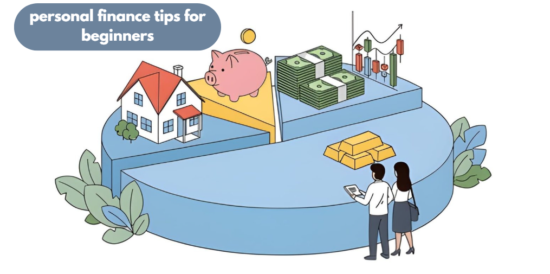
Good financial habits are usually quiet and repetitive.
That surprises people because social media often makes money success look dramatic and exciting.
In reality, most financial progress comes from simple routines repeated consistently.
Saving money regularly.
Checking spending habits.
Paying bills on time.
Avoiding unnecessary debt.
Cooking at home more often.
Those habits sound boring, but they slowly change financial situations over time.
Most financially stable people did not suddenly become experts overnight.
They improved gradually.
One habit at a time.
Personal finance tips for beginners only work when they are realistic enough to continue during stressful months too.
That is why extreme budgeting usually fails.
Sustainable habits matter more than short bursts of motivation.
Some people notice similar ideas in conversations around betterthisworld.com gaming communities, where progress happens through small, consistent improvements instead of instant results.
Money works the same way for most people.
Small improvements repeated over time usually create the biggest long-term changes.
Conclusion
Learning personal finance takes time.
Nobody handles money perfectly all the time. Even financially responsible people still make mistakes sometimes. The difference is that good habits make those mistakes easier to recover from.
The most important thing beginners can do is simply start.
Track spending honestly.
Build a realistic budget.
Save small amounts consistently.
Spend more carefully.
Avoid unnecessary debt.
Start investing early.
Those steps sound simple because they are simple. But simple does not always mean easy. Financial progress usually happens slowly before people finally notice the results.
Still, steady progress matters far more than perfection.
And for most people, the real purpose of personal finance is not trying to look rich online.
In the end, personal finance tips for beginners are not really about becoming perfect with money. They are about building small habits that make life feel less stressful, more stable, and easier to manage over time. It is building a life with less stress, more stability, and more freedom later on.

One comment on “Personal Finance Tips for Beginners: Step-by-Step Guide to Budgeting, Saving, and Smart Spending ”