
Low-income buyers can realistically save a house down payment by targeting 3%–3.5% loan minimums, not the mythical 20% rule. Down payment assistance grants can cut that savings timeline by years.
Key Takeaways
- Most first-time buyers do not put 20% down; the 2025 median for first-time buyers was 10%, and FHA loans require just 3.5%.
- On a $405,400 median-priced home, a 3.5% down payment is roughly $14,200—not $81,000.
- A minimum-wage saver needs about 9 years to hit that target alone; a $35,000/year earner needs about 4 years.
- The average down payment assistance grant nationally was $18,000 in late 2025, which can erase most of that timeline.
- Automating transfers and separating the down payment fund from everyday checking are the two habits that move the needle most.
Knowing how to save for a house down payment starts with the right target number, not a vague goal. Most low-income buyers overestimate what a lender requires and underestimate what assistance programs offer. A household earning under the local median income can still reach closing day within a few years by combining a realistic loan type, an automated savings system, and one of thousands of available grant programs.
What Counts as “Low Income” When Saving for a Down Payment?
What Is “Low Income” for Homebuying Purposes?
Low income for mortgage purposes usually means earning at or below 80% of the area median income (AMI), a threshold set by HUD and used by nearly every assistance program. This figure changes by county and household size, so a $60,000 salary counts as low income in San Francisco but not in rural Ohio.
How Much Do You Actually Need for a Down Payment?
How Much Down Payment Do Lenders Actually Require?
Most lenders require far less than 20% down; FHA loans need 3.5%, conventional loans need as little as 3%, and VA or USDA loans require 0%. The 20% figure only matters for avoiding private mortgage insurance (PMI), not for loan approval. On a $405,400 home—the national median existing-home price as of late 2025, per the National Association of Realtors—the real entry points look like this:
| Loan Type | Minimum Down Payment | Dollar Amount on a $405,400 Home |
| FHA | 3.5% | ~$14,189 |
| Conventional (HomeReady/Home Possible) | 3% | ~$12,162 |
| VA (eligible veterans) | 0% | $0 |
| USDA (eligible rural areas) | 0% | $0 |
| “20% rule of thumb” (avoids PMI) | 20% | ~$81,080 |
Two statistics here sound similar but measure different things. NAR‘s 2025 Profile of Home Buyers and Sellers found the median down payment across all buyers was 19%, but that blends repeat buyers, who put down 23%, with first-time buyers, who put down a median of just 10%. The 10% figure matters most for someone learning how to save for a house down payment for the first time—and it’s still nearly triple the FHA minimum.
The Real Math: How Long Saving Actually Takes on a Low Income
Most homebuying guides repeat the “save 20%” rule without showing how long that actually takes someone on a low income or how smart money habits to build wealth can make the process more manageable.
How Long It Takes on Minimum Wage
A full-time federal minimum-wage worker earning $15,080 a year needs roughly 9.4 years to save a 3.5% FHA down payment alone, at a disciplined 10% savings rate. At $7.25 an hour, 10% of gross pay sets aside $1,508 a year toward the $14,189 FHA target with no assistance.
How Long It Takes on a Typical Low-Income Wage
A worker earning $35,000 a year, closer to what many low-income buyers actually report, needs about 4 years to save the same FHA down payment at a 10% savings rate. Saving $3,500 annually reaches the $14,189 target in roughly four years, cutting the minimum-wage timeline by more than half.
How Down Payment Assistance Changes the Timeline
Down payment assistance can shrink either timeline to under two years, since the average grant nationally reached $18,000 in the fourth quarter of 2025. Down Payment Resource’s Homeownership Program Index counted 2,619 active assistance programs in the U.S. by late 2025, up 6% year-over-year—a benefit that covers the entire FHA target on a median-priced home. A local housing counselor or the website can help match a saver’s income and location to the programs they actually qualify for.
Step-by-Step: How to Save for a Down Payment on a Low Income
This five-step framework, drawn from savings plans betterthisworld has broken down for readers on tight budgets, works for single earners and dual-income households alike.
Step 1: Open a Dedicated High-Yield Savings Account
A separate high-yield savings account, kept apart from everyday checking, prevents down payment funds from being spent on regular expenses. Look for an annual percentage yield above 3.5%, which meaningfully outpaces a standard savings account and compounds faster over a multi-year timeline.
Step 2: Automate a Fixed Percentage of Every Paycheck
Automating a transfer of 5–10% of every paycheck removes the willpower requirement that causes most savings plans to fail. Freelancers and small business owners with irregular income should automate the transfer the day an invoice clears rather than waiting for a “leftover” amount at month’s end.
Step 3: Apply for Down Payment Assistance Before Building the Full Fund
Applying for down payment assistance early can reduce the total amount a saver needs to raise alone, sometimes by tens of thousands of dollars. Most programs require a HUD-approved homebuyer education course, which also qualifies applicants for lower rates on many state housing finance loans.
Step 4: Redirect One Recurring Expense Each Quarter
Cutting one recurring cost per quarter, such as an unused subscription, adds up faster than one large budget overhaul. Redirecting $40 a month into the down payment account adds nearly $500 a year—one of the simplest personal finance tips for beginners building a first savings habit.
Step 5: Track Progress Against the Real Target, Not 20%
Tracking savings against the 3%–3.5% FHA target instead of 20% prevents the discouragement that causes many savers to quit. This mental shift, more than any single budgeting hack, separates buyers who reach closing day from those who give up halfway.
Common Mistakes and Exceptions Worth Knowing
Not every rule here applies universally. Buyers in high-cost metro areas, where AMI thresholds are higher, may not qualify as “low income” for assistance despite struggling to save, since eligibility ties to local median income rather than a fixed national number. Learning how to stop impulse buying and save money can also help buyers build a larger cash reserve while working toward homeownership. Self-employed buyers face a documented exception too: most DPA programs and FHA lenders require two years of tax returns, so a business owner in year one of self-employment may need a larger cash reserve, regardless of actual earnings.
How Much Should I Save Before Moving Out vs. Saving for a House?
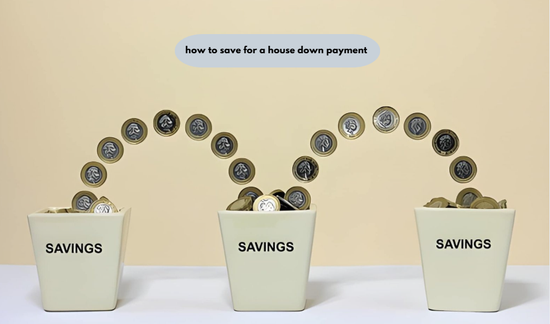
How much money should I save before moving out is a different question than saving for a down payment, since renters typically need three months of rent plus a security deposit, not tens of thousands for a mortgage. These are separate financial goals with separate timelines, and combining them into one savings account often delays both. This guide focuses specifically on the down payment goal, which requires a longer, more structured plan.
Frequently Asked Questions
How much should I save for a house down payment?
Most first-time buyers should target 3%–3.5% of the home price for an FHA loan, or 3% for certain conventional programs. On a $405,400 median-priced home, that’s roughly $12,000–$14,200, not the $81,000 a 20% figure implies.
Can I buy a house with no down payment on a low income?
Yes, if eligible for a VA loan (military or veterans) or a USDA loan (eligible rural and suburban areas), both allow 0% down. Buyers who don’t qualify still have 3%–3.5% minimum options through FHA or conventional loans.
What is the fastest way to save for a down payment?
Automating a fixed percentage transfer on every payday, paired with an early application to assistance programs, is the fastest combination. Manual, inconsistent saving is the biggest reason low-income buyers take years longer than necessary.
Do down payment assistance programs have to be repaid?
It depends on the program. Some are outright grants, others are forgivable loans that convert to a grant after a set residency period, often five years, and a smaller share are second loans repaid alongside the primary mortgage.
What credit score is needed to buy a house on a low income?
FHA loans accept scores as low as 580 for the 3.5% down payment option, and some lenders accept 500 with 10% down. Assistance programs often carry their own minimum score requirements, typically between 620 and 640.
Is renting cheaper than saving for a house long-term?
It depends on local rent growth versus home price appreciation; there is no single nationwide answer. In markets with fast-rising rents, buying sooner locks in a fixed housing cost, while flat-price markets can favor renting and investing the difference.
How does PMI affect a low down payment purchase?
Private mortgage insurance applies to conventional loans with less than 20% down and typically costs 0.5%–1.5% of the loan annually until enough equity builds. FHA loans carry a similar premium instead of PMI, usually for the life of the loan unless refinanced.
Conclusion
Learning how to save for a house down payment on a low income comes down to targeting the real number, not the inflated one. A 3%–3.5% FHA-level goal, paired with automated saving and an early application to assistance programs, turns a decade-long plan into one that can realistically close in two to four years. The buyers who reach the closing table fastest are the ones who stop budgeting for a myth and start budgeting for the actual loan minimum.


One comment on “How to Save for a House Down Payment With a Low Income ”