Trying to save money while paying off debt can feel impossible at first. Every paycheck already has a job, and adding “emergency savings” to the list may seem unrealistic. But the best ways to build an emergency fund are usually not about making huge amounts of money overnight. They are about creating small financial buffers that stop new debt from piling up when life gets expensive.
Many people now focus on balance instead of extreme budgeting when trying to improve their finances. That approach matters because paying debt without any savings often leads people right back into financial stress after one unexpected expense.
What Are the Best Ways to Build an Emergency Fund?
Establishing an emergency fund doesn’t have to be difficult. It usually starts with small, automatic transfers into savings; cutting back on a few things you don’t really need; and being smart with any extra money, like bonuses or tax refunds. The best ways to build an emergency fund include starting small, saving consistently, and making it a habit so you’re prepared for unexpected expenses without stress.
Keeping your savings in a separate account also helps you avoid spending them without thinking, while steady, consistent habits matter more than big one-time efforts—even small amounts add up over time and can take a lot of pressure off when unexpected expenses show up, especially if you’re still paying off debt.
A 2025 Bankrate consumer savings report shows that many Americans still struggle to handle surprise expenses without relying on credit cards or loans. That is exactly why building emergency savings while paying debt matters more than ever.
Why Saving While Paying Off Debt Actually Makes Sense
Many people think they should fully eliminate debt before saving anything. In reality, that strategy can backfire. Without emergency savings, even small surprises can create larger debt problems:
- Car repairs
- Medical bills
- Utility emergencies
- Job interruptions
- Home maintenance costs
People often end up using credit cards again simply because they have no backup cash available.
This is one reason discussions around btwletternews by betterthisworld website often focus on sustainable financial habits instead of aggressive “all or nothing” debt plans. A small emergency fund creates breathing room and reduces financial panic.
Start With a Small Emergency Goal First
One of the biggest mistakes people make is trying to save six months of expenses immediately. That goal sounds overwhelming. Instead, focus on smaller milestones:
- First $250
- Then $500
- Then $1,000
Small wins create momentum. Once people see money growing, they usually stay more motivated. A practical starting point could look like this:
| Weekly Savings | One Year Total |
| $10 | $520 |
| $25 | $1,300 |
| $50 | $2,600 |
Even modest saving habits build real financial protection over time.
Automate Savings Before You Can Spend It
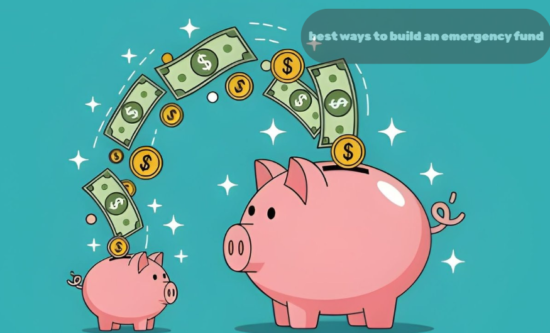
Automation is one of the best ways to build an emergency fund because it removes daily decision-making. People are far more likely to save consistently when transfers happen automatically.
Simple ways to automate include:
- Automatic bank transfers every payday
- Round-up savings apps
- Direct deposit splits
- Automatic tax refund deposits
Many personal finance experts now recommend “paying yourself first” because waiting until the end of the month usually leaves little money left to save.
According to research from the Consumer Financial Protection Bureau (CFPB), automation increases savings consistency significantly, especially for lower- and middle-income households.
Keep Your Emergency Fund Separate
A separate account creates less temptation to spend the money casually. If emergency savings sit inside a regular checking account, people often dip into it for the following reasons:
- Shopping
- Dining out
- Random online purchases
- Short-term wants
Keeping the fund in a separate high-yield savings account creates a mental barrier that protects the money better. it earns you 4-5% interest instead of the 0.01% your traditional bank offers, meaning your money grows passively
This is also why many financial discussions on betterthisworld.com tech and budgeting communities emphasize “friction-based saving.” Making savings slightly harder to access can improve long-term discipline.
Reduce Expenses Without Making Life Miserable
Extreme budgeting rarely lasts long. Instead of cutting everything, focus on reducing a few recurring expenses that provide low value.
Examples include:
- Unused subscriptions
- Frequent food delivery
- Expensive phone plans
- Impulse online shopping
- Multiple streaming services
The goal is not punishment. The goal is creating extra cash flow without making daily life feel restrictive. One useful trick is the “48-hour rule.” Before buying non-essential items, wait two days. Many impulse purchases disappear after a short pause.
Use Windfalls Strategically

Unexpected money can speed up emergency savings quickly. Possible windfalls include the following:
- Tax refunds
- Bonuses
- Cashback rewards
- Freelance income
- Gifts
- Selling unused items
Instead of spending all extra money immediately, split it. For example:
- 50% toward debt
- 50% toward emergency savings
This balanced strategy keeps financial progress moving in both directions.
Increase Income in Small Ways
Building an emergency fund becomes easier when income grows, even slightly. You do not necessarily need a second full-time job.
Smaller income boosts can still help:
- Freelance work
- Weekend gigs
- Selling unused items
- Pet sitting
- Tutoring
- Food delivery apps
- Simple online services
Even an extra $100–$200 monthly can make a noticeable difference over a year. According to recent Federal Reserve financial wellness data, households with even modest emergency savings report lower financial stress levels compared to those with no savings buffer at all.
Avoid the “All Debt, No Savings” Trap
Some aggressive debt payoff strategies encourage people to throw every dollar at debt. The problem appears when emergencies happen.
Without savings:
- Credit cards go back up
- Debt cycles restart
- Financial stress increases
- Motivation drops
A balanced approach usually works better for long-term financial stability. One practical approach is to start by building a small emergency fund first, then continue making your regular debt payments while slowly growing your savings at the same time. This way, you’re not choosing between saving and paying off debt—you’re doing both in a balanced way, which gives you progress and a safety net together.
Pro Tip: Create a “Mini Emergency Fund” for Predictable Problems
Here is a strategy many people overlook. Not every emergency is truly unexpected. Some expenses happen regularly:
- Car maintenance
- Holiday spending
- School expenses
- Annual insurance bills
- Medical co-pays
Creating small sinking funds for these categories prevents them from draining your real emergency savings. This simple system can reduce financial setbacks dramatically over time.
The Psychology Behind Successful Saving
People often think saving money is only about math. It is also about behavior.
Successful savers usually:
- Make saving automatic
- Keep goals realistic
- Track progress visually
- Celebrate small milestones
- Avoid perfectionism
Missing one week does not ruin the process. Consistency matters far more than intensity. That is why many conversations around money betterthisworld focus on sustainable habits instead of temporary motivation.
Common Emergency Fund Mistakes to Avoid
Waiting for the “Perfect Time”
Many people delay saving because money feels tight. But emergencies rarely wait until finances improve. Starting small now is usually better than waiting for ideal conditions.
Keeping Savings Too Accessible
If emergency money is too easy to spend, it often disappears.
Having a separate savings account lessens temptation.
Saving Without a Clear Goal
Specific goals improve consistency. Instead of saying
“I should save more.”
Try:
“I want $1,000 saved in 10 months.”
Specific targets feel more achievable.
Ignoring Small Expenses
Tiny spending leaks matter more than most people realize.
Daily habits often affect savings more than occasional large purchases.
How Much Should an Emergency Fund Be?
The optimal quantity is determined by individual conditions. General recommendations include:
- Starter fund: $500–$1,000
- Moderate goal: 3 months of expenses
- Long-term goal: 6 months of expenses
People with variable income or dependents may want larger emergency savings. The key is building gradually instead of obsessing over a massive number immediately.
Final Thoughts
The best ways to build an emergency fund are usually simple, realistic, and sustainable. You do not need perfect finances to start saving. Even small amounts can reduce stress, protect you from unexpected expenses, and help you avoid falling deeper into debt.
A balanced approach often works better than extreme financial plans. Build savings slowly, continue paying down debt, and focus on consistency instead of perfection.
Start with one small move this week. Open a separate savings account, automate a tiny transfer, or cut one unnecessary expense. Small financial habits repeated consistently often create the biggest long-term results.