
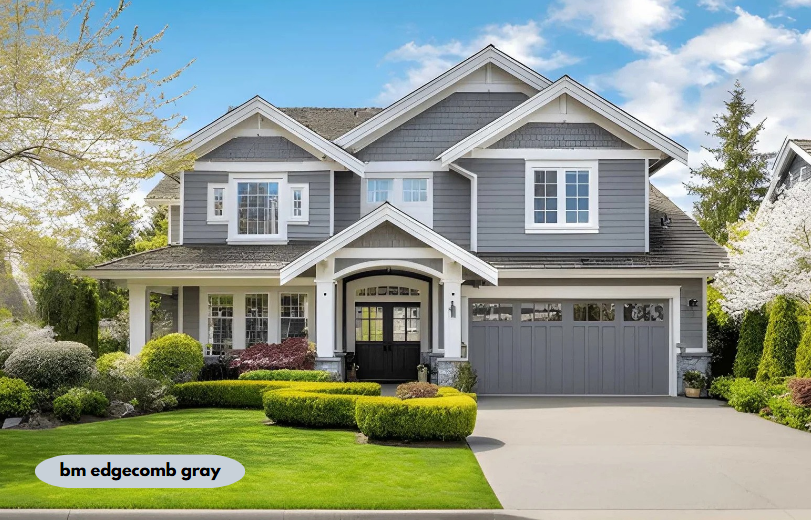
BM Edgecomb Gray is a strong resale color because it reads as a soft, warm greige that suits most floors, cabinets, and lighting. Buyers see it as clean and move-in ready, though north-facing rooms and cool bulbs can push it toward a dull green-gray.
Key Takeaways
- Edgecomb Gray (HC-173) is a light greige that sits between gray and beige, with a warm, slightly sandy base.
- Agents treat fresh interior paint as one of the cheapest pre-listing upgrades because it hides wear and photographs cleanly.
- Light, warm neutrals let buyers picture their own furniture, which keeps showings focused on the house itself.
- The color looks best beside creamy white trim and 2700K to 3000K bulbs and worst in dim north-facing rooms.
- Every dollar spent on sale prep comes out of the next down payment, so a capped DIY repaint makes the most sense.
What Is BM Edgecomb Gray?
BM Edgecomb Gray (HC-173) is a light, warm greige paint that blends a soft gray with a pale, sandy beige.
The BM prefix points to Benjamin Moore, and the HC code places the shade in the brand’s Historical Colors line. On a wall, it reads gray in cool morning light, then drifts toward warm tan once the lamps come on. The paint maker’s color page carries the basic info a seller needs before buying samples: the code, the collection, and the light reflectance value.
Is BM Edgecomb Gray Good for Resale?
Yes, it ranks among the safest wall colors for a listing. It brightens rooms in photos, flatters most flooring, and stays neutral enough that buyers focus on square footage instead of decor.
Neutral walls do one specific job during a sale: they erase the seller’s taste. A buyer walking through can then mentally place a sectional, a crib, or a home office without fighting the paint.
Edgecomb Gray handles that job across mixed finishes. Honey oak, gray vinyl plank, white shaker cabinets, and veined quartz all sit comfortably beside it, which matters in homes updated piecemeal over a decade or two.
It also forgives. Scuffs, patched nail pops, and uneven drywall texture show less on a warm mid-light neutral than on flat bright white, and that matters more than any trend in real estate news.
What Do Realtors Really Think About Edgecomb Gray?
Listing agents like it because it signals a cared-for home without starting a design debate.
Why agents favor it:
- Even photos: Rooms keep one consistent tone across listing shots.
- Finish-friendly: It suits most existing floors, counters, and cabinets.
- Wear-hiding: It masks scuffs better than flat bright white.
- Cleaner feedback: Buyers comment on layout and price, not paint.
- Slow to date: It still looks current after months on the market.
Painting tops agents’ pre-sale advice. In the National Association of Realtors’ 2025 Remodeling Impact Report, 50% of agents named a full-home paint job as a project they recommend before listing.
So the real question is which color, not whether to paint. Run one wall color through the entry, living room, kitchen, and hallways so the floor plan photographs as one space.
Staging posts written by agents push the same habit: one shade means one leftover can for touch-ups between showings.
How Do Buyers React to Edgecomb Gray Walls?
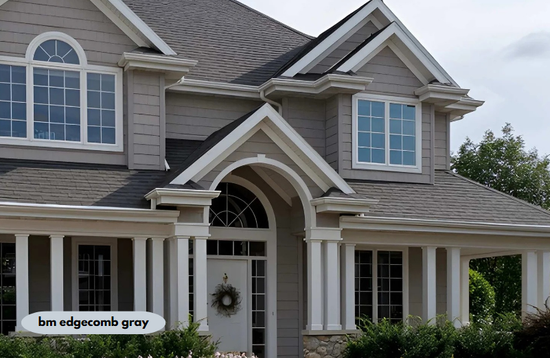
Most buyers read it as clean, current, and finished. It rarely becomes the reason someone falls for a house, and it almost never becomes the reason they walk away.
Muted grays still score well with shoppers. Buyers in Zillow’s 2025 paint color analysis said they would pay about $2,593 more for a home with a dark gray living room.
That study tested a dark gray, while Edgecomb Gray is a light one, so the figure reflects a taste for muted grays rather than a price tag for HC-173. Want that deeper look? Paint one living-room feature wall or a den in charcoal, and keep Edgecomb Gray on the surrounding walls.
Guides filed under money betterthisworld topics often shrink resale paint into one shortcut: paint it gray. The smarter rule is to match the gray to the room’s light, since one can of paint looks warm in a sunny kitchen and murky in a shaded bedroom.
How Does Edgecomb Gray Compare With Other Resale Neutrals?
Edgecomb Gray is lighter and less saturated than Revere Pewter and a step lighter than Agreeable Gray. That makes it the safer pick for average-sized rooms with ordinary light.
LRV, or light reflectance value, scores how much light a paint bounces back on a 0 to 100 scale. Higher numbers keep rooms brighter in listing photos, which matters most in hallways, stairwells, and basements. Quick color roundups on betterthisfacts style pages rarely mention this score, yet it predicts how a room photographs more reliably than the color name.
| Color | Code | LRV | How it reads in most rooms | Best resale fit | Source |
| Edgecomb Gray | HC-173 | 63.09 | Warm tan-gray | Whole-house color in average light | Benjamin Moore, Edgecomb Gray HC-173 color page |
| Revere Pewter | HC-172 | 55.05 | Deeper greige, can lean green | Bright, south-facing rooms | Benjamin Moore, Revere Pewter HC-172 color page |
| Agreeable Gray | SW 7029 | 60.39 | Soft beige-gray | Homes with cooler finishes and stone | Sherwin-Williams, Agreeable Gray SW 7029 color page |
What mistake makes Edgecomb Gray hurt a sale?
The common mistake is choosing it from a tiny chip under store lighting, then pairing it with blue-white trim and 5000K daylight bulbs. In that setup, the walls look dingy, faintly green, and older than they are.
Shoppers judge chips under bright retail fixtures, which look nothing like the light in a north-facing bedroom. Repainting a room twice wastes money and a weekend. Fix it in three moves: hang 12-inch sample boards on two walls for 48 hours, choose a creamy white for trim, and swap fixtures to 2700K to 3000K bulbs before the photographer arrives.
Does Repainting in Edgecomb Gray Pay Off Before You Sell?
For most sellers with scuffed, dated, or bold walls, yes. A DIY repaint costs far less than the discount buyers mentally attach to visible prep work.
Take a 2,000-square-foot home as a worked example:
- Estimate the walls. A house this size has roughly 5,000 square feet of paintable wall surface.
- Plan two coats. That doubles the coverage you need to 10,000 square feet.
- Convert to gallons. At about 400 square feet per gallon, the job takes 25 gallons.
- Price the job. At an assumed $70 per gallon, paint runs $1,750, and $200 in rollers, tape, and patching compound brings the total to $1,950.
- Weigh it against your next purchase. NAR’s 2025 Profile of Home Buyers and Sellers put the median down payment for repeat buyers at 23%.
On a $400,000 move-up home, 23% equals $92,000, so the $1,950 repaint uses about 2% of that cash. Still working out how to save for a house down payment on the next place? Cap pre-listing prep at a fixed dollar amount before buying a single gallon.
Get one painter’s quote, too. If it tops twice your DIY total, paint the main living areas yourself and hire out only stairwells and two-story foyers.
The exception is a small, dim, north-facing home or a basement unit with few windows. There, Edgecomb Gray tends to look flat and grayish-green, and a warm white with a much higher light reflectance does better, keeping rooms brighter both in person and in listing photos.
FAQ
Is Edgecomb Gray too dated for 2026?
No, it does not read as dated, because its warm, sandy base sets it apart from the cool blue grays that now feel tired. Matte black or warm brass hardware keeps it looking current in listing photos.
What trim color works with Edgecomb Gray for resale?
A soft, creamy white works best with Edgecomb Gray on trim, doors, and ceilings. White Dove (OC-17) is a frequent pairing, while stark blue-white makes the walls look dirty by contrast.
Does Edgecomb Gray look green in some rooms?
It can show a faint green cast in north-facing rooms, under cool LED bulbs, or beside green-leaning carpet. A sample board on the darkest wall, viewed at night under warm bulbs, reveals the problem before you commit.
Should every room be painted Edgecomb Gray before listing?
No, paint the connected living spaces in one color and leave clean, neutral bedrooms and baths alone. Prep dollars work hardest in the rooms where buyers linger longest.
Is Edgecomb Gray lighter than Revere Pewter?
Yes, Edgecomb Gray is clearly lighter and softer than Revere Pewter. Revere Pewter carries more depth and suits sun-filled rooms, while Edgecomb Gray handles ordinary light with less risk of looking heavy.
Conclusion
BM Edgecomb Gray works on resale walls because it looks warm, clean, and finished without asking buyers to share anyone’s taste. Pair it with creamy trim and warm bulbs, skip it in dark north-facing rooms, and cap the prep budget so more cash reaches your next down payment.